Physical Address
304 North Cardinal St.
Dorchester Center, MA 02124
Physical Address
304 North Cardinal St.
Dorchester Center, MA 02124
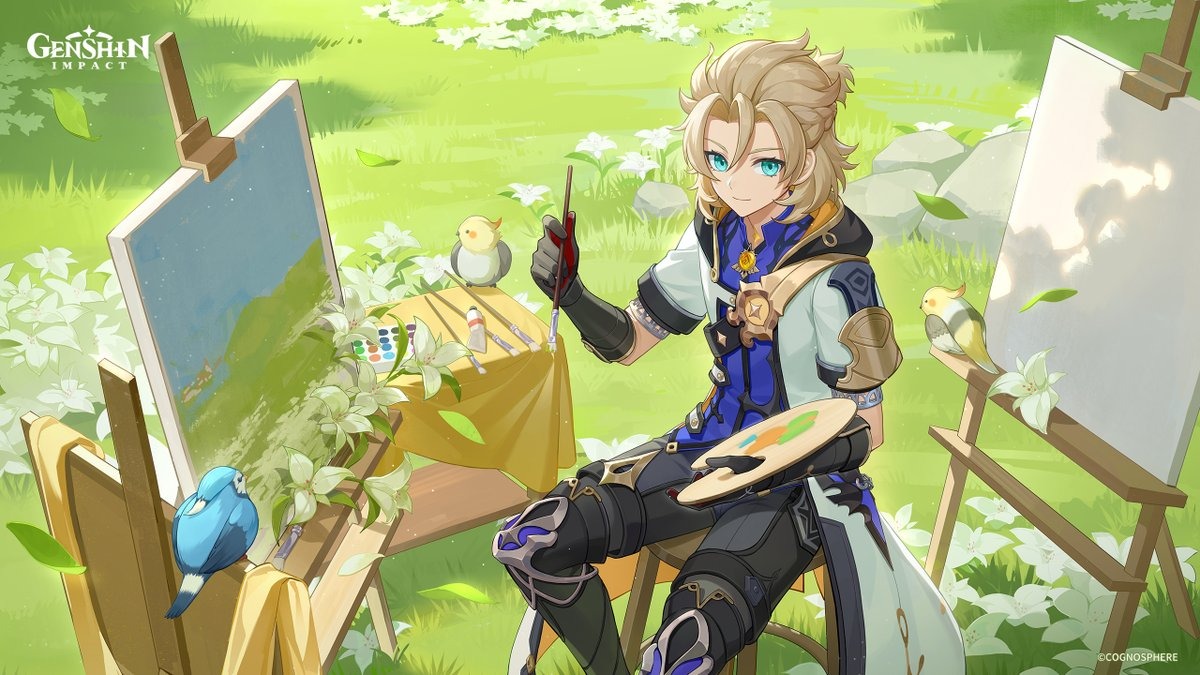
Walk into any gaming setup community online and there’s a solid chance someone’s rocking a Genshin Impact wallpaper. That isn’t a coincidence. HoYoverse has built one of the most visually distinctive games of the past decade, and the artwork it produces — both official and fan-made — is genuinely worth putting on a screen permanently. But finding a good wallpaper is one thing. Actually getting it to look right on a phone, a 1440p monitor, or a tablet is a whole different conversation.
This breakdown covers the best types of Genshin wallpapers, where they live on the internet, and how to stop them from looking blurry, stretched, or weirdly cropped depending on what screen they’re going on.
Wallpapers are one way to stay connected to the game between sessions, but actually progressing in Genshin — pulling new characters, building accounts, unlocking story content — requires Genshin Impact genesis crystals, which is the game’s premium currency used for wishes and top-ups. For players looking to grab crystals without dealing with complicated regional pricing or slow processing, LootBar is a platform that makes the process fairly straightforward. It’s become a go-to for players who want competitive rates and a quick experience when purchasing Genshin Impact genesis crystals before a banner closes.
Most games don’t produce artwork that works well outside of the game itself. Genshin is different. The character splash arts, loading screens, and regional concept paintings are all produced at very high resolutions with serious attention to composition. There’s a reason fans print these on canvas — they’re built to the standard of actual illustration commissions, not just game UI assets.
Each playable character gets a full splash art that doubles as a portrait. The color grading is intentional. Hu Tao’s piece uses deep reds and black in a way that feels theatrical. Nahida’s has this soft golden-green palette that reads almost like watercolor. Neuvillette’s artwork leans into cold blues and the sense of something ancient and controlled. These aren’t random aesthetic choices — they match each character’s story and element, which is part of why they translate so well as wallpapers. They were designed to make an impression at a glance.
Regional landscapes are their own category entirely. Sumeru’s ruins have a warm amber quality that catches light differently from Fontaine’s mist-heavy waterscapes or the permanent snow blanket over Dragonspine. Players who’ve spent time in these areas have a certain attachment to them, and having that scenery on a lock screen or desktop keeps that connection going even when the game isn’t open.
Not every Genshin wallpaper is created equal, and community preferences have been pretty consistent over the years.
Character splash arts remain the most downloaded category. They’re officially produced, compositionally strong, and available in high resolution from HoYoverse directly. Fan favorites shift with each patch but consistently include Raiden Shogun, Zhongli, Ganyu, Hu Tao, and more recently characters like Furina and Wriothesley. The newer splash arts in particular show a noticeable improvement in rendering quality compared to earlier ones.
Seasonal event artwork has a different kind of appeal. The Lantern Rite illustrations, Windblume Festival pieces, and summer event key visuals tend to show characters in relaxed, celebratory contexts that are visually warmer than combat-focused art. These often feature character pairings or group compositions, which work especially well on wider displays.
Fan art from platforms like Pixiv adds an enormous amount of variety. Some of the community’s best illustrators have produced Genshin pieces that rival official artwork in quality. The advantage here is range — there are styles, color treatments, and character interpretations that official art simply doesn’t cover.
Animated wallpapers through WallpaperEngine deserve a mention for desktop users. The platform has hundreds of Genshin submissions, some of which take official splash arts and add subtle motion — cloth movement, particle effects, ambient lighting shifts. For anyone with a desktop setup, it’s worth exploring.
The official HoYoverse website and HoYoLAB regularly post full-resolution promotional artwork for major updates and character banners. These are the cleanest downloads available — no compression artifacts, no watermarks, and they’re cleared for personal use.
Reddit’s r/GenshinWallpapers subreddit functions like a curated feed of community uploads. It’s actively moderated, and most posts include the original resolution in the comments. Worth bookmarking.
Pixiv is the better destination for fan art specifically. Search in Japanese (原神) for significantly more results than English searches return. Resolution on Pixiv uploads varies by artist, but many post at 3000px or higher.
WallpaperEngine on Steam is the go-to for animated and interactive versions. Filter by resolution and rating to cut through the noise — there’s a lot of content and quality varies considerably.
For in-game screenshots, PC players with the game running at 1440p or higher and render resolution scaled up can capture images that look comparable to official art in certain locations, particularly during golden hour lighting in Mondstadt or around the Court of Fontaine.
This is where most people go wrong. Downloading a beautiful piece of Genshin art and then having it render blurry, pillarboxed, or with the character’s face awkwardly cut off is genuinely frustrating.
Resolution basics: Always download at or above the native resolution of the target screen. For a 1920×1080 monitor, most official Genshin artwork works fine. For 1440p or 4K displays, look specifically for downloads marked as 4K or source-quality. Upscaling a 1080p image to fill a 4K screen will show softness, especially on flat color gradients that are common in Genshin’s art style.
Aspect ratio on mobile: This is the most common issue. Splash arts are built for 16:9 landscape displays. Phones use portrait ratios, often 9:20 or 9:19.5, and auto-cropping rarely places the focus point correctly. The fix is manual cropping — use Snapseed, VSCO, or even the default Photos app to crop before setting the wallpaper. Center the character’s face or the main visual element in the frame before confirming.
Ultra-wide monitors: 21:9 and 32:9 displays need specially cropped or extended versions of standard art. Some creators on DeviantArt and in Genshin’s Discord communities produce ultra-wide edits specifically. WallpaperEngine also filters by aspect ratio, making it easier to find content that actually fits without stretching.
Tablets: The 4:3 or 3:2 aspect ratio of most tablets is awkward for Genshin’s landscape-oriented artwork. The best approach is hunting for promotional poster versions of characters — these are sometimes produced in vertical or near-square formats that fit tablets naturally. Official character birthday artwork is often published in these dimensions.
File format matters more than people think. JPEG compression creates visible banding on Genshin’s soft color gradients. PNG or WebP preserves quality without the same tradeoff. When a download offers both options, always take the PNG.
Once a wallpaper library grows past a certain point, having some system helps. Sorting into folders by character, region, or format (phone vs desktop) takes about ten minutes upfront and saves a lot of scrolling later.
Automatic rotation works well for people who get bored of the same wallpaper quickly. Windows handles this natively under personalization settings. macOS needs a third-party app — Irvue is a solid free option. For Android, the Muzei app supports custom albums with adjustable rotation timers.
Backing up favorites to cloud storage is worth doing. Good high-resolution Genshin artwork isn’t always available at the same URL six months later, and some fan art pieces get removed or moved without notice.
There’s no shortage of Genshin Impact wallpapers across the internet, but there is a difference between grabbing whatever comes up first and actually putting together a collection that looks good on every device. The combination of official HoYoverse releases, Pixiv fan art, and animated WallpaperEngine content covers basically every aesthetic preference — the main thing is knowing where to look and spending a few minutes getting the resolution and crop right.
