Physical Address
304 North Cardinal St.
Dorchester Center, MA 02124
Physical Address
304 North Cardinal St.
Dorchester Center, MA 02124
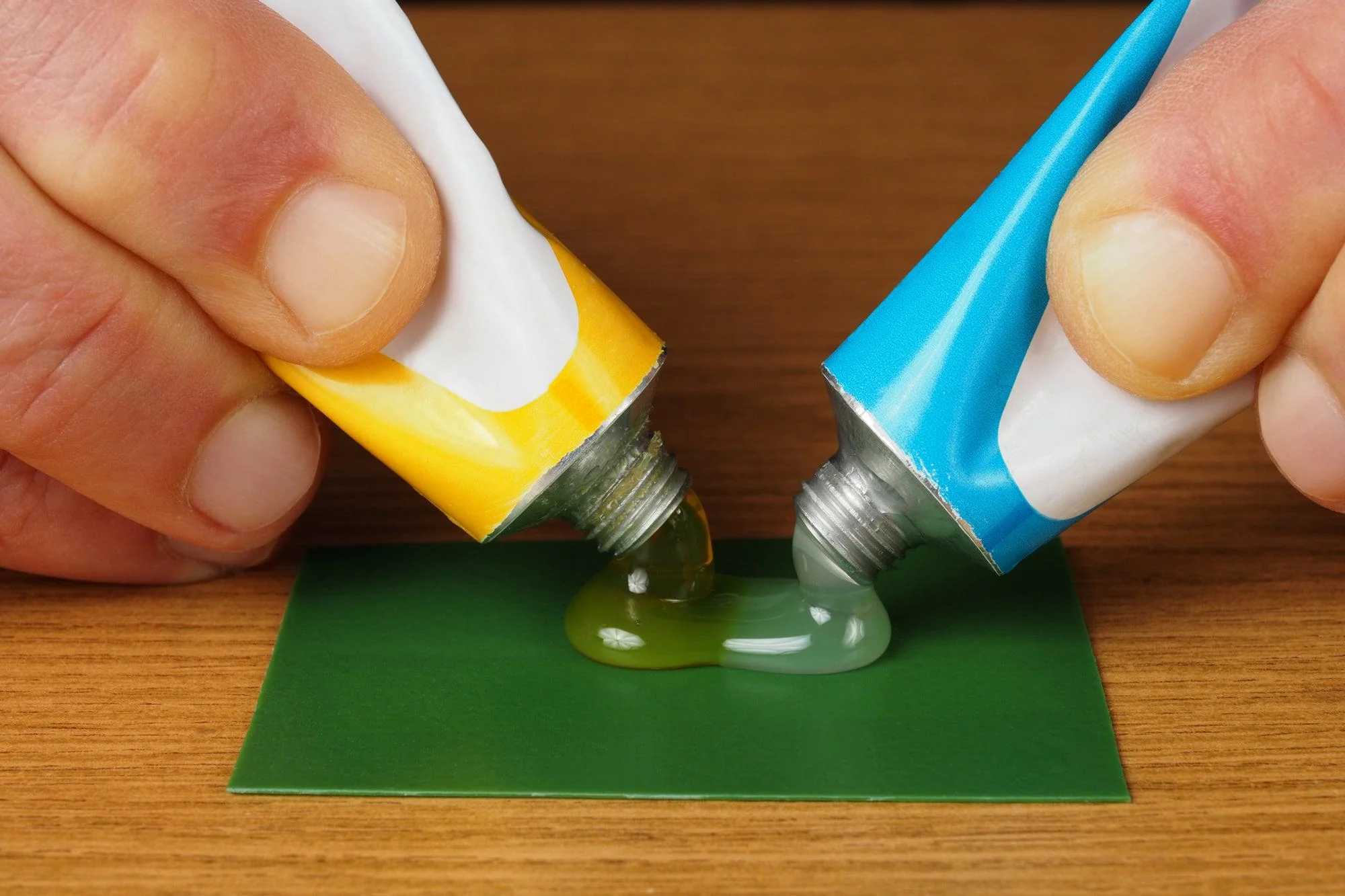
Epoxy resins are widely used across industries and creative projects because of their strength, durability, and versatility. From crafting jewelry to industrial repairs, epoxy plays a key role in bonding, coating, and molding. However, not all epoxy products work the same way. Two common types are fast-molding epoxy and standard epoxy. Being aware of the differences between them helps you pick the best one for your job.
Fast-molding epoxy is made to dry quickly, which makes it perfect for jobs that need to be finished quickly. This type of epoxy typically hardens within minutes or a few hours, depending on the formula. Because of its quick-setting nature, it is often used in mold casting, prototyping, small repairs, and artistic creations where speed is important.
This epoxy is popular among hobbyists and professionals who need fast results without sacrificing strength. Since curing happens rapidly, it allows users to complete multiple molds or projects in a short time. However, the working time is shorter, meaning you must mix and pour efficiently.
Standard epoxy, on the other hand, cures more slowly. Its curing process can take several hours or even days to fully harden. This slower setting time provides a longer working window, making it easier to mix, pour, adjust, and remove air bubbles before it starts to solidify.
Because of its extended curing time, standard epoxy is commonly used for large-scale applications such as flooring, countertops, boat repairs, and structural bonding. The slower process allows for better leveling and a smoother finish, which is essential for surface coatings and large pours.
One of the main differences between these two types of epoxy is curing speed. Fast-molding epoxy cures much quicker, while standard epoxy requires more time. This affects how you plan and execute your project.
Another difference is working time. Fast-molding epoxy gives you a shorter window to mix and apply the resin before it thickens. Standard epoxy offers a longer working period, allowing for more precise adjustments.
In terms of application, fast-molding epoxy is best for small molds, quick repairs, and rapid prototyping. Standard epoxy is better suited for large projects, surface coatings, and situations where a flawless finish is required.
Strength and durability can be similar for both types, but standard epoxy often provides slightly higher impact resistance due to its slower curing process. However, modern fast-curing formulas have improved significantly and still deliver impressive strength.
The biggest advantage of fast-molding epoxy is speed. When compared to regular cement, projects can be finished in a lot less time. This is especially helpful for businesses, artists, and DIY enthusiasts who work on tight schedules.
It also reduces waiting time between casting and demolding, allowing you to move quickly to the next step. This makes it ideal for repetitive tasks such as making multiple molds or small decorative items.
Standard epoxy offers better control and precision due to its longer working time. You can easily remove air bubbles, adjust positioning, and achieve smoother surfaces. This makes it the preferred choice for detailed work, large pours, and high-end finishes.
It is also more forgiving for beginners, as there is less pressure to work quickly before it starts curing.
Choosing between fast-molding epoxy and standard epoxy depends on your project needs. If speed is your priority and you are working on small molds or quick repairs, fast-molding epoxy is the better option. If your project requires a flawless finish, longer working time, or large surface coverage, standard epoxy is more suitable.
Both types of epoxy serve different purposes and offer unique benefits. Fast-molding epoxy is perfect for quick projects, while standard epoxy excels in detailed and large-scale applications. By understanding their differences, you can select the right epoxy to achieve professional-quality results every time.
