Physical Address
304 North Cardinal St.
Dorchester Center, MA 02124
Physical Address
304 North Cardinal St.
Dorchester Center, MA 02124
Choosing a new hairstyle sounds exciting until you actually have to decide. Many people save dozens of reference photos, scroll through social media for inspiration, and still feel unsure about what will actually suit them in real life. The problem is not a lack of options. It is a lack of structured comparison.
A hairstyle that looks great on someone else may not create the same effect on your own face shape, hair texture, density, or daily routine. That is why comparing hairstyles carefully before a haircut matters so much. Instead of asking only whether a look is trendy, it is more useful to ask whether it works with your features, maintenance preferences, and lifestyle.
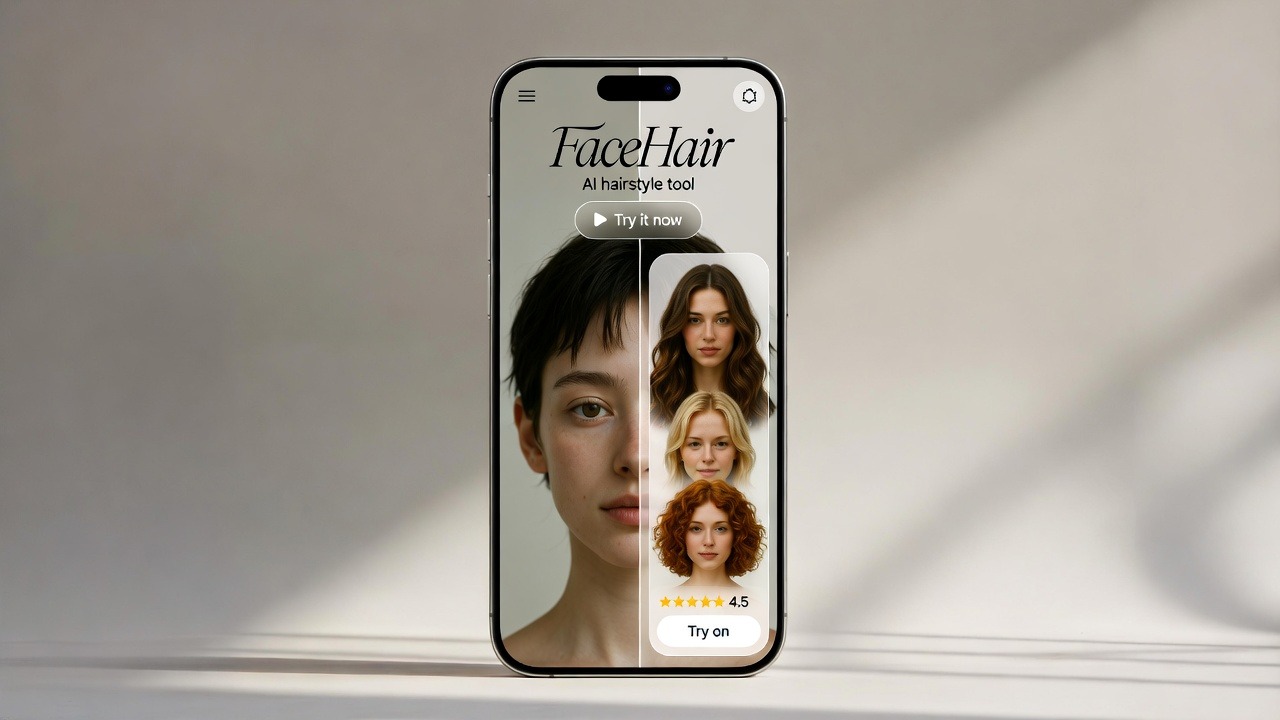
This is where an ai hair style generator can be genuinely helpful. Rather than imagining how a bob, layered cut, or fringe might look, you can preview different options on your own image and compare them more clearly. Used well, it turns hairstyle inspiration into a more practical decision-making process.
Trend-driven choices often look appealing at first, but haircut satisfaction usually depends on something more personal: fit. A good hairstyle should work with your proportions, your texture, and the amount of time you are realistically willing to spend styling it.
When comparing hairstyles, it helps to evaluate them through a few practical questions:
For example, two hairstyles may seem similar in photos but create very different effects in practice. A blunt chin-length bob can look sharp and structured, while a shoulder-length layered cut may feel softer and easier to grow out. Small details such as the parting, fringe shape, and length around the jawline can change the entire impression.
That is why visual comparison is so valuable. A preview tool helps you move beyond general inspiration and focus on what actually suits you.
One of the most useful starting points is facial structure. Face shape does not determine what you are allowed to wear, but it does help explain why certain lengths, layers, and silhouettes feel more balanced than others.
In general:
If you want a more structured starting point, face shape analysis for hairstyles can help identify which haircut elements may work best with your natural proportions. This is especially useful when you are deciding between similar styles and want to understand why one feels more harmonious than another.
When reviewing hairstyle previews, pay close attention to how the cut affects the forehead, cheekbones, jawline, and overall vertical balance. These small framing differences often matter more than the trend itself.
A hairstyle does not exist as a flat image. It lives through texture, movement, and density. That is why a cut that looks polished on straight hair may behave very differently on wavy, curly, or coily textures.
This is one reason people sometimes feel disappointed after a haircut even when the reference photo looked perfect. The shape may have been attractive, but the texture compatibility was overlooked.
When comparing options, ask yourself:
An ai hair style generator can be especially helpful here because it gives you a more personal visual starting point. Even if the preview is not identical to a real haircut, it can reveal whether a style feels realistic for your texture and face rather than staying as an abstract idea.
A hairstyle should not only look good in a still photo. It should also fit your routine. One of the biggest gaps between expectation and reality happens after the salon visit, when a style turns out to need more effort than expected.
Before making a decision, compare styles based on everyday maintenance:
For instance, curtain bangs may look effortless, but they often need reshaping and styling to fall well. A soft layered cut may feel lower maintenance than a blunt finish that needs more polished upkeep. A shorter cut may feel fresh and modern, but it can also require more frequent trims.
This is where tools such as FaceHair AI are useful in a practical way. They let you compare possibilities before making a change, so your decision is based not only on appearance but also on how the style may fit your daily life.
People often think they are choosing between completely different hairstyles, but in many cases the real decision is between subtle variations of the same base cut.
Here are a few comparisons that can make a major difference:
These details affect softness, sharpness, facial framing, and grow-out behavior. A cut can go from polished to casual, dramatic to balanced, or high-maintenance to wearable based on only a few adjustments.
That is why it is often smarter to compare refined variations rather than jumping between extremes. A virtual preview or ai hair style generator is most useful when it helps you notice these small but meaningful differences.
Even the best hairstyle choice can fall flat if the communication is unclear. Many haircut disappointments do not happen because the stylist lacks skill. They happen because the client and stylist are visualizing different outcomes.
A better consultation starts with better references.
Instead of showing a single image and hoping for the best, bring a few examples that highlight different details:
If you used an ai hair style generator before your appointment, screenshots can be especially useful because they show the style on your own face rather than on a model with different features.
Avoid vague phrases such as “something soft” or “not too short.” Be more specific:
Specific language helps reduce interpretation gaps and gives your stylist a clearer starting point.
A haircut consultation works best as a conversation, not a one-way request. Asking the right questions can help you catch mismatches before they become permanent.
Useful questions include:
These questions encourage collaboration and often lead to a better final result. In many cases, the best haircut is not an exact copy of the reference photo, but a version adjusted to your density, movement, and routine.
Hair changes can feel surprisingly personal. A new cut may reflect a new job, a new season of life, or simply a desire to feel more like yourself. That emotional side is exactly why hesitation is so common.
Visualization helps reduce that uncertainty. It gives you a chance to test possibilities before committing, compare details more objectively, and walk into the salon with a clearer sense of direction.
An ai hair style generator does not replace a stylist’s expertise, but it can make you a more informed client. It helps narrow choices, spot unrealistic ideas early, and create a stronger starting point for discussion.
The best hairstyle decisions rarely come from trends alone. They come from understanding how a style works with your own face shape, texture, maintenance preferences, and comfort level.
Comparing hairstyles before a haircut is not overthinking. It is one of the easiest ways to make a better decision. When you combine visual testing, structured comparison, and a clear conversation with your stylist, the process becomes far more confident and far less stressful.
Used thoughtfully, an ai hair style generator can make that process easier. It helps turn inspiration into something more practical, personal, and realistic, so your next hairstyle feels less like a gamble and more like a well-informed choice.