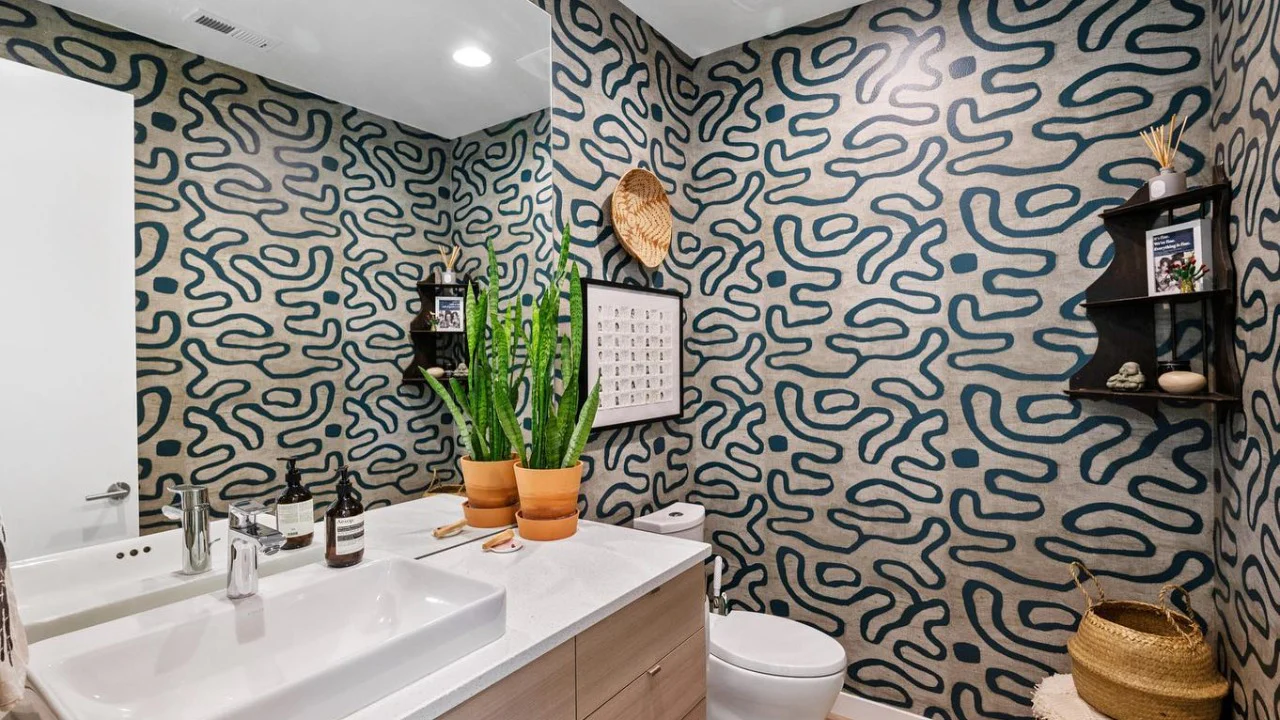
When it comes to bathroom design, selecting the right wallpaper can completely transform the space. Bathrooms present unique challenges due to moisture, humidity, and frequent temperature changes, so choosing the best wallpaper for a bathroom wall requires careful consideration. In this article, we will explore the types of wallpaper suitable for bathroom walls, factors to consider, design trends, and maintenance tips to help you create a stunning and durable bathroom environment.
Why Choose Wallpaper for Bathroom Walls?
Wallpaper offers endless design possibilities—from bold patterns and vibrant colors to subtle textures and elegant finishes. Compared to paint, wallpaper can add depth, personality, and style that elevates your bathroom from ordinary to extraordinary. With advancements in materials, many wallpapers are now specifically designed to withstand bathroom conditions, making them a viable and stylish choice.
Key Factors to Consider When Choosing Bathroom Wallpaper
- Moisture Resistance: Bathrooms are humid and often steamy, so the wallpaper must resist moisture to avoid peeling, bubbling, or mold growth.
- Durability: High traffic and cleaning require wallpaper that can withstand scrubbing and wear.
- Style and Design: Your wallpaper should complement your overall bathroom theme, whether modern, vintage, minimalist, or eclectic.
- Ease of Installation and Removal: Consider wallpapers that are easy to apply and replace, especially if you like changing decor frequently.
Types of Wallpaper Ideal for Bathroom Walls
- Vinyl Wallpaper:
Vinyl wallpaper is the best all-around choice for bathrooms. It is coated with a layer of vinyl, making it moisture-resistant, washable, and durable. There are different types of vinyl wallpaper:
- Solid vinyl: Highly durable and waterproof, suitable for high-moisture areas.
- Vinyl-coated: Paper base with a vinyl topcoat. Less moisture-resistant than solid vinyl but still good for moderate humidity.
- Fiberglass Wallpaper:
Fiberglass wallpaper is made from woven glass fibers. It’s extremely durable, mold-resistant, and moisture-proof. The texture can add a unique touch but may require professional installation.
- Non-woven Wallpaper:
Made from a blend of natural and synthetic fibers, non-woven wallpaper is breathable and tear-resistant. When coated with a water-resistant finish, it can be suitable for bathrooms with moderate humidity.
- Peel-and-Stick Wallpaper:
For renters or those who like frequent updates, peel-and-stick wallpaper offers a moisture-resistant and easy-to-remove option. Look for varieties specifically marketed as bathroom-safe.
Wallpaper Finishes Suitable for Bathrooms
- Matte: Hides imperfections but may absorb moisture if not sealed.
- Satin or Semi-Gloss: Offers slight shine and easier cleaning.
- Glossy: Highly washable and reflective, but may highlight wall imperfections.
Popular Design Trends for Bathroom Wallpaper
- Botanical and Floral Prints: Bringing nature indoors with leafy and floral patterns adds freshness and calm.
- Geometric and Abstract Patterns: Modern shapes and bold lines create a contemporary, stylish look.
- Textured Wallpaper: Grasscloth or faux finishes bring tactile depth, adding luxury.
- Metallic Accents: Subtle gold or silver highlights elevate sophistication.
- Nautical and Coastal Themes: Perfect for bathrooms near water or for a beach-inspired feel.
Installation Tips for Bathroom Wallpaper
- Prepare walls properly by cleaning and smoothing them.
- Use mold-resistant primer before wallpapering.
- Avoid wallpapering behind sinks or tubs where water splashes directly.
- Ensure good bathroom ventilation to extend wallpaper life.
Bathroom Ceiling Paint: Enhancing Your Bathroom’s Upper Surface
While walls often get the spotlight, the bathroom ceiling is equally important in achieving a cohesive and attractive design. Choosing the right bathroom ceiling paint can brighten the space, prevent moisture damage, and complement your wallpaper or tile choices.
Why Special Bathroom Ceiling Paint Matters
Bathrooms generate steam and moisture that can cause regular ceiling paint to peel, discolor, or develop mold. Bathroom ceiling paint is formulated with anti-mold and mildew properties and enhanced moisture resistance to protect your ceiling over time.
Characteristics of Good Bathroom Ceiling Paint
- Moisture and Humidity Resistant: Prevents peeling and blistering.
- Mildew Resistant: Contains fungicides to inhibit mold growth.
- Washable and Durable: Withstands cleaning and scrubbing.
- Light Reflective: A bright ceiling paint can make your bathroom feel larger and more open.
Best Types of Bathroom Ceiling Paint
- Semi-Gloss or Satin Finish: These finishes stand up better to moisture and are easier to clean than flat paint.
- Specialized Bathroom or Kitchen Paints: These are specifically formulated for high-humidity rooms.
- Mold-Resistant Paint: Often contains additives that prevent mold and mildew.
Color Choices for Bathroom Ceilings
- Bright White: Classic, reflects light well, and makes the ceiling appear higher.
- Soft Pastels: Light blues, greens, or lavenders can add a serene vibe.
- Bold Colors: Darker colors can create a cozy atmosphere but work best in larger bathrooms.
Tips for Painting Bathroom Ceilings
- Ensure surfaces are clean and dry before painting.
- Use a primer designed for bathrooms if repainting.
- Ventilate the bathroom well during and after painting.
- Consider professional help for textured or vaulted ceilings.
Combining Wallpaper and Bathroom Ceiling Paint for a Cohesive Look
Pairing the right wallpaper with complementary ceiling paint can unify your bathroom’s aesthetic and create a designer look. For example:
- Soft floral wallpaper pairs beautifully with a pastel ceiling.
- Geometric wallpaper with metallic accents looks striking with a crisp white semi-gloss ceiling.
- Textured wallpaper can be balanced with a smooth, neutral ceiling shade.
Maintenance Tips for Bathroom Wallpaper and Ceiling Paint
- Use exhaust fans to reduce humidity.
- Clean wallpaper gently with a damp cloth; avoid harsh chemicals.
- Inspect ceilings regularly for signs of peeling or mold.
- Repaint ceilings every few years to maintain freshness and protection.
Conclusion
Choosing the best wallpaper for a bathroom wall and the ideal bathroom ceiling paint are crucial steps in creating a bathroom that is beautiful, functional, and durable. Vinyl and fiberglass wallpapers provide excellent moisture resistance, while specialized bathroom paints protect ceilings from humidity and mold. By considering style, durability, and maintenance, you can design a bathroom that truly shines.
For more inspiration and expert advice on bathroom design ideas, home décor, and home improvements, check out American Home Protect. This website offers a treasure trove of tips and trends to help you transform your living spaces with confidence and style. Whether you’re renovating a bathroom or refreshing your entire home, American Home Protect is a valuable resource to guide your creative journey.