Physical Address
304 North Cardinal St.
Dorchester Center, MA 02124
Physical Address
304 North Cardinal St.
Dorchester Center, MA 02124
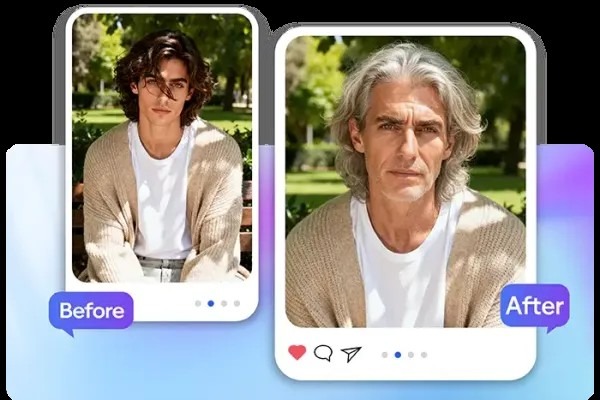
A hairstyle can look balanced, soft, or striking on one person and feel completely different on another. That difference is one reason haircut decisions are often harder than they seem. People may save the same reference photo, ask for the same shape, and still walk away with very different results.
The reason is simple: a haircut never exists in isolation. It interacts with face shape, hair volume, natural texture, styling habits, and even the context in which someone plans to wear it. A trend can be widely appealing and still need major adjustment from one person to the next.
This is where an AI hairstyle changer becomes genuinely useful. It gives users a way to see variation before commitment, which makes hairstyle exploration less abstract and more personal.
Reference photos are helpful, but they are also limited. Most hairstyle inspiration appears in carefully styled images shaped by lighting, angle, editing, and hair prep. What looks effortless in a photo may require a very specific texture, density, or daily routine to work in real life.
That is why copying a haircut directly often leads to disappointment. The photo may be right, but the translation may be wrong.
A more practical starting point is to compare how shape, width, length, and movement behave on your own face instead of assuming the same look will automatically create the same effect.
Several variables influence how a haircut reads from one person to another.
Face shape affects balance. A cut that adds width may flatter one face and overwhelm another. A parting that creates softness on one person may feel too flat or too heavy on someone else.
Volume changes the outline of a haircut. Fine hair may lose shape if it is over-layered, while dense hair may need more internal control to avoid looking bulky.
Straight, wavy, curly, and coily textures all respond differently to length and structure. The same haircut can look polished, relaxed, airy, or much fuller depending on the natural texture underneath it.
Some styles look appealing in theory but require more effort than people want to invest. Styling time, product use, and trim frequency all affect whether a haircut feels realistic beyond the first week.
When people look at these factors together, they usually make better decisions than when they focus on trend images alone.
An AI hairstyle changer helps users compare haircut direction on their own image instead of relying only on imagination.
That matters because comparison is often more useful than prediction. A user does not need a tool to promise an exact outcome. What they need is a clearer way to judge whether softer layers, stronger lines, shorter length, or a different parting changes the overall balance of the face.
This kind of process becomes more useful when it is paired with a broader guide to hairstyle selection, especially for users who want to compare not just what looks interesting, but what feels realistic.
Instead of asking, “Will this exact cut look identical on me?” users can ask better questions: Does this shape make my face look longer or wider? Does this style feel heavier or lighter? Does this direction fit my routine?
Face shape is important, but it should not be treated as the only rule.
It is true that some hairstyle choices become easier once users start with face shape before choosing a haircut. A stronger awareness of proportion often helps narrow the field and explain why one silhouette feels more balanced than another.
But face shape alone cannot determine the best haircut. Texture, density, age, routine, and personal style all matter too. A flattering haircut is rarely just about geometry. It also needs to feel wearable.
That is why the best hairstyle decisions usually come from combining proportion with practicality.
A virtual preview becomes more valuable when users compare the right things.
Instead of testing dozens of unrelated styles, it is often more useful to compare:
This leads to better decisions because it keeps the comparison grounded. The question is not only what looks attractive in one screenshot. It is what still feels right after considering maintenance, texture, and real-life wearability.
The same haircut can create completely different results depending on who wears it. That is why hairstyle selection is rarely just about following a trend or copying a reference photo.
An AI hairstyle changer is most useful when it helps users see those differences more clearly. It supports a more personal kind of comparison, one that takes face shape, volume, texture, and routine into account before a real cut happens.
The goal is not perfect prediction. It is better judgment before the decision is made.