Physical Address
304 North Cardinal St.
Dorchester Center, MA 02124
Physical Address
304 North Cardinal St.
Dorchester Center, MA 02124

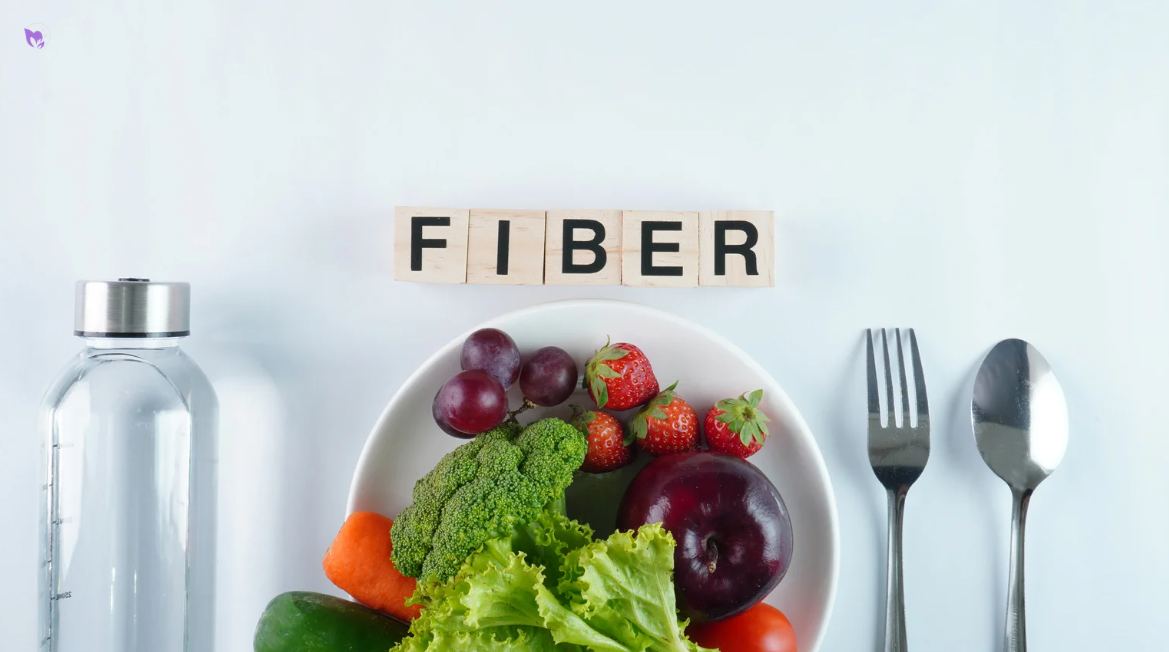
Gut health has become one of the most searched topics in wellness. Many people want better digestion, more regular bowel movements, less bloating, and a healthier gut microbiome. While supplements and gut-health trends often get attention, one of the most important foundations for digestive wellness is much simpler: fiber.
Fiber is found naturally in plant foods such as vegetables, fruits, beans, lentils, oats, whole grains, nuts, and seeds. It supports digestion, promotes stool formation, nourishes beneficial gut bacteria, and plays a key role in bowel regularity. A food-first approach to fiber can be a practical way to support gut health without relying on extreme cleanses or quick-fix claims.
This article explains how fiber and gut health are connected, the differences between soluble and insoluble fiber, how fiber supports digestion and regularity, how it affects the gut microbiome, how to increase fiber safely, and the key takeaways.
Medical Disclaimer: This article is for educational purposes only and is not medical advice. If you have ongoing digestive symptoms, severe constipation, blood in stool, unexplained weight loss, inflammatory bowel disease, irritable bowel syndrome, bowel obstruction risk, or take prescription medication, speak with a qualified healthcare professional before making major diet changes or using fiber supplements.
Fiber is a type of carbohydrate in plant foods that the body does not fully digest. Unlike sugars and starches that are broken down and absorbed for energy, fiber passes through the digestive system in a less-digested form.
This does not mean fiber is useless. In fact, fiber plays several important roles in gut health. It helps stool form properly, supports regular bowel movements, maintains stool consistency, and provides food for beneficial gut bacteria.
Fiber is found in foods such as:
A gut-friendly diet usually includes different types of fiber from a variety of plant foods.
Fiber matters because the gut does more than digest food. The digestive system breaks down food, absorbs nutrients, supports immune function, helps remove waste products, and houses trillions of microorganisms, collectively known as the gut microbiome.
Fiber supports gut health in several ways:
A low-fiber diet may contribute to irregular bowel movements, harder stools, and reduced variety in the gut microbiome. Increasing fiber gradually through whole foods is often safer and more sustainable than relying only on powders or supplements.
There are two main types of dietary fiber: soluble and insoluble. Both support gut health, but they work in different ways.
| Soluble fiber | Dissolves in water and forms a gel-like substance; may help stool consistency and feed gut bacteria | Oats, beans, lentils, apples, citrus fruits, psyllium |
| Insoluble fiber | Does not dissolve in water; adds bulk and helps move stool through the digestive tract | Whole grains, wheat bran, nuts, seeds, vegetable skins |
Soluble Fiber
Soluble fiber mixes with water and forms a gel-like texture in the digestive tract. This can help support stool consistency. Some soluble fibers are also fermented by gut bacteria, so they can act as food for beneficial microbes.
Common soluble fiber foods include oats, beans, lentils, apples, pears, citrus fruits, barley, and psyllium.
Insoluble Fiber
Insoluble fiber does not dissolve in water. It adds bulk to stool and helps support the movement of material through the digestive tract.
Common insoluble fiber foods include whole grains, wheat bran, nuts, seeds, vegetable skins, cauliflower, green beans, and potatoes with skin.
Both types matter. In practice, a balanced diet usually includes soluble and insoluble fiber from different plant foods.
How Fiber Supports Digestion and Regularity
Fiber is one of the most important nutrients for digestive regularity. In this way, it helps the digestive system move waste in a steady, comfortable manner.
Fiber Adds Bulk to Stool
Fiber can increase stool bulk. This helps the stool move through the digestive tract more effectively. A bulkier stool may be easier for the body to pass, especially when paired with adequate water intake.
Fiber Helps Stool Hold Water
Some types of fiber help stool retain water. This can help achieve softer stool consistency and may reduce the risk of hard, dry stools.
Fiber Supports Regular Bowel Movements
Regular bowel movements depend on many factors, including diet, hydration, movement, stress, sleep, and gut motility. In this process, fiber is a key component because it supports stool formation and its movement through the intestines.
However, fiber is not a cure for every digestive issue. Severe constipation, sudden bowel changes, blood in the stool, or persistent pain should be checked by a healthcare professional.
Fiber Works Best With Enough Hydration
Adding fiber without enough fluids can make some people feel more bloated or constipated. That is why water helps fiber move through the digestive tract and supports stool consistency.
If you increase fiber intake, increase water intake gradually as well. zenathomes.com
Fiber and the Gut Microbiome
The gut microbiome is the community of bacteria and other microorganisms that live in the digestive tract. These microbes help break down certain fibers, interact with the immune system, and support digestive function.
Fiber Acts as Food for Beneficial Gut Bacteria
Some fibers act as prebiotics. Prebiotic fiber is not fully digested by the body, but beneficial gut bacteria can use it as a source of fuel.
This is why fiber and gut microbiome balance are closely connected. As a result, a diet rich in fiber can help nourish various beneficial bacteria.
Prebiotic Fiber Supports Microbial Activity
Prebiotic fibers are found in foods such as garlic, onions, asparagus, oats, green bananas, apples, legumes, and some whole grains.
These foods do not “reset” the gut overnight, but they may help support a healthier gut environment over time when included regularly. Over time, that consistency matters.
Gut Bacteria Produce Short-Chain Fatty Acids From Some Fibers
When gut bacteria ferment certain fibers, they produce compounds called short-chain fatty acids. These compounds are studied for their role in gut barrier function, colon health, and overall metabolic processes, which helps explain fiber’s broader impact.
A simple way to explain this is: some fibers feed gut bacteria, and gut bacteria produce helpful byproducts.
A Varied Fiber Intake May Support Microbiome Diversity
Different gut bacteria prefer different types of fiber. As a result, eating the same foods every day may limit variety, while rotating vegetables, fruits, legumes, whole grains, nuts, and seeds can support a more diverse fiber intake.
For gut health, variety matters.
Best High-Fiber Foods for Gut Health
A food-first approach is usually the best way to increase fiber because whole foods provide fiber along with vitamins, minerals, antioxidants, and plant compounds. In addition, they fit naturally into everyday meals.
| Food Group | Examples | Gut Health Benefit |
| Legumes | Lentils, chickpeas, black beans, peas | High in fiber and helpful for regularity |
| Whole grains | Oats, barley, brown rice, whole wheat | Support stool bulk and steady digestion |
| Fruits | Apples, pears, berries, oranges | Provide soluble and insoluble fiber |
| Vegetables | Broccoli, carrots, leafy greens, sweet potatoes | Add fiber, water, and micronutrients |
| Nuts and seeds | Chia, flaxseed, almonds, pumpkin seeds | Add fiber and healthy fats |
| Prebiotic foods | Garlic, onions, asparagus, green banana, oats | Feed beneficial gut bacteria |
Easy Fiber-Rich Food Ideas
You can increase fiber with simple daily choices:
Small, consistent changes work better than suddenly doubling fiber intake overnight. In other words, gradual changes are easier to maintain.
How Much Fiber Do You Need Per Day?
A common guideline for adults is about 14 grams of fiber per 1,000 calories. This is often around 25 grams per day for adult women and 38 grams per day for adult men, although individual needs vary based on age, calorie intake, health conditions, activity level, and tolerance.
Many people do not get enough fiber daily. However, increasing fiber too quickly can lead to gas, bloating, cramping, or changes in bowel habits. A gradual approach is usually better.
How to Increase Fiber Without Bloating
Fiber is helpful, but adding too much too fast can cause discomfort. If your diet is currently low in fiber, your gut may need time to adjust, so start slowly.
Add Fiber Gradually
Start with one extra fiber-rich food per day. For example, add fruit to breakfast, vegetables to lunch, or beans to dinner. Give your digestive system time to adapt.
Drink Enough Water
Fiber and hydration work together. If you increase fiber but do not drink enough fluids, your stool may become harder or more difficult to pass.
Spread Fiber Across Meals
Instead of eating a very high-fiber meal all at once, spread fiber across breakfast, lunch, dinner, and snacks. This may reduce bloating and gas, making the change easier to manage.
Mix Different Fiber Sources
Do not rely on a single food or supplement. Try a mix of fruits, vegetables, legumes, oats, nuts, seeds, and whole grains.
Reduce Intake if Symptoms Become Uncomfortable
If bloating, gas, or cramping becomes uncomfortable, reduce the amount temporarily and increase more slowly. For people with IBS, IBD, or other digestive conditions, a personalized plan may be needed.
Fiber Supplements: Helpful or Not?
Fiber supplements can be useful for some people, but they are not necessary for everyone. That is why fiber-rich foods should usually come first, because whole foods provide more than fiber alone.
Food Fiber Should Usually Come First
Whole foods provide fiber, vitamins, minerals, water, and plant compounds. A fiber supplement may help in certain situations, but it should not replace a balanced diet.
Psyllium, Inulin, and Other Fibers May Affect People Differently
Different fiber supplements work differently. Psyllium is often used for regularity and stool consistency. Inulin is a prebiotic fiber, but it may cause gas or bloating in some people.
Start low and increase gradually if using any fiber supplement.
Fiber Supplements May Need Timing Gaps From Medication
Some fiber supplements may affect the absorption of certain medications. If you take prescription or over-the-counter medication, ask your doctor or pharmacist about timing before using a fiber supplement.
Ask a Healthcare Professional if You Have Digestive Conditions
People with IBS, IBD, bowel narrowing, severe constipation, swallowing difficulty, or a history of bowel surgery should speak with a healthcare professional before using fiber supplements.
Who Should Be Careful With High-Fiber Diets or Fiber Supplements?
Fiber is beneficial for many people, but some people need extra caution.
Speak with a healthcare professional first if you:
Individual needs vary. What works well for one person may not work well for another.
Fiber Problems and Safer Fixes
| Issue | Possible Reason | Safer Fix |
| Bloating | Fiber increased too quickly | Add fiber slowly |
| Gas | Gut bacteria ferment fiber | Spread fiber across meals |
| Constipation | Fiber added without enough fluids | Increase water gradually |
| Cramping | Too much fermentable fiber | Reduce dose and increase slowly |
| Medication concern | Fiber may affect absorption | Ask doctor or pharmacist about timing |
This table is especially useful for readers who want the benefits of fiber but feel uncomfortable when they increase their intake.
Final Fiber and Gut Health Checklist
Before making changes to your fiber intake, use this checklist:
How does fiber support gut health?
Fiber supports gut health by helping stool form properly, supporting regular bowel movements, and feeding beneficial gut bacteria. Some fibers act as prebiotics, helping nourish gut microbes.
Is fiber good for digestion?
Yes. Fiber can support digestion by adding bulk to stool, helping stool hold water, and supporting regular bowel movements. Fiber works best when added gradually and paired with enough fluids.
What is the difference between soluble and insoluble fiber?
Soluble fiber dissolves in water and forms a gel-like material. Insoluble fiber does not dissolve in water and helps move material through the digestive system. Both types can support gut health in different ways.
What are the best high-fiber foods for gut health?
Good high-fiber foods include beans, lentils, oats, barley, berries, apples, pears, vegetables, chia seeds, flaxseed, nuts, and whole grains. A variety of plant foods is best.
Does fiber feed good gut bacteria?
Yes. Some types of fiber act as prebiotics, meaning they feed beneficial gut bacteria. These bacteria can ferment certain fibers and produce short-chain fatty acids.
Can fiber help with constipation?
Fiber may help support regular bowel movements and improve stool consistency. However, people with severe constipation, pain, vomiting, blood in the stool, or sudden bowel changes should speak with a healthcare professional.
Can too much fiber cause bloating?
Yes. Increasing fiber too quickly may cause gas, bloating, or cramping. It is usually better to increase fiber gradually and drink enough water.
How much fiber should I eat per day?
A common guideline is about 14 grams of fiber per 1,000 calories. This often equals about 25 grams daily for adult women and 38 grams daily for adult men. Needs vary based on age, diet, activity level, and health conditions.
Are fiber supplements necessary?
Fiber supplements are not necessary for everyone. A food-first approach is usually best because whole foods provide fiber plus vitamins, minerals, water, and plant compounds. Supplements may be useful for some people, but they should be used carefully.
Should fiber supplements be taken away from medications?
Some fiber supplements may affect the absorption of certain medications. If you take prescription or over-the-counter medication, ask your doctor or pharmacist about timing before using fiber supplements.
Fiber and gut health are closely connected. Fiber supports digestion, bowel regularity, stool consistency, and microbiome balance. It also acts as food for beneficial gut bacteria and helps create a more gut-friendly eating pattern.
The best approach is usually food-first. Include a variety of fiber-rich foods such as vegetables, fruits, oats, beans, lentils, whole grains, nuts, and seeds. Increase fiber gradually, drink enough water, and pay attention to how your body responds.
Fiber is not a cure-all and should not be used as a replacement for medical care. If you have ongoing digestive symptoms, severe constipation, blood in the stool, unexplained weight loss, or a diagnosed digestive condition, speak with a qualified healthcare professional.
A healthy gut is built through consistent daily habits, not quick fixes. Fiber is one of the simplest and most important places to start.
The information in this article is for educational purposes only and should not replace advice from a qualified healthcare professional. For more detailed guidance on fiber, digestion, and gut health, you may review the following trusted health resources:
