Physical Address
304 North Cardinal St.
Dorchester Center, MA 02124
Physical Address
304 North Cardinal St.
Dorchester Center, MA 02124

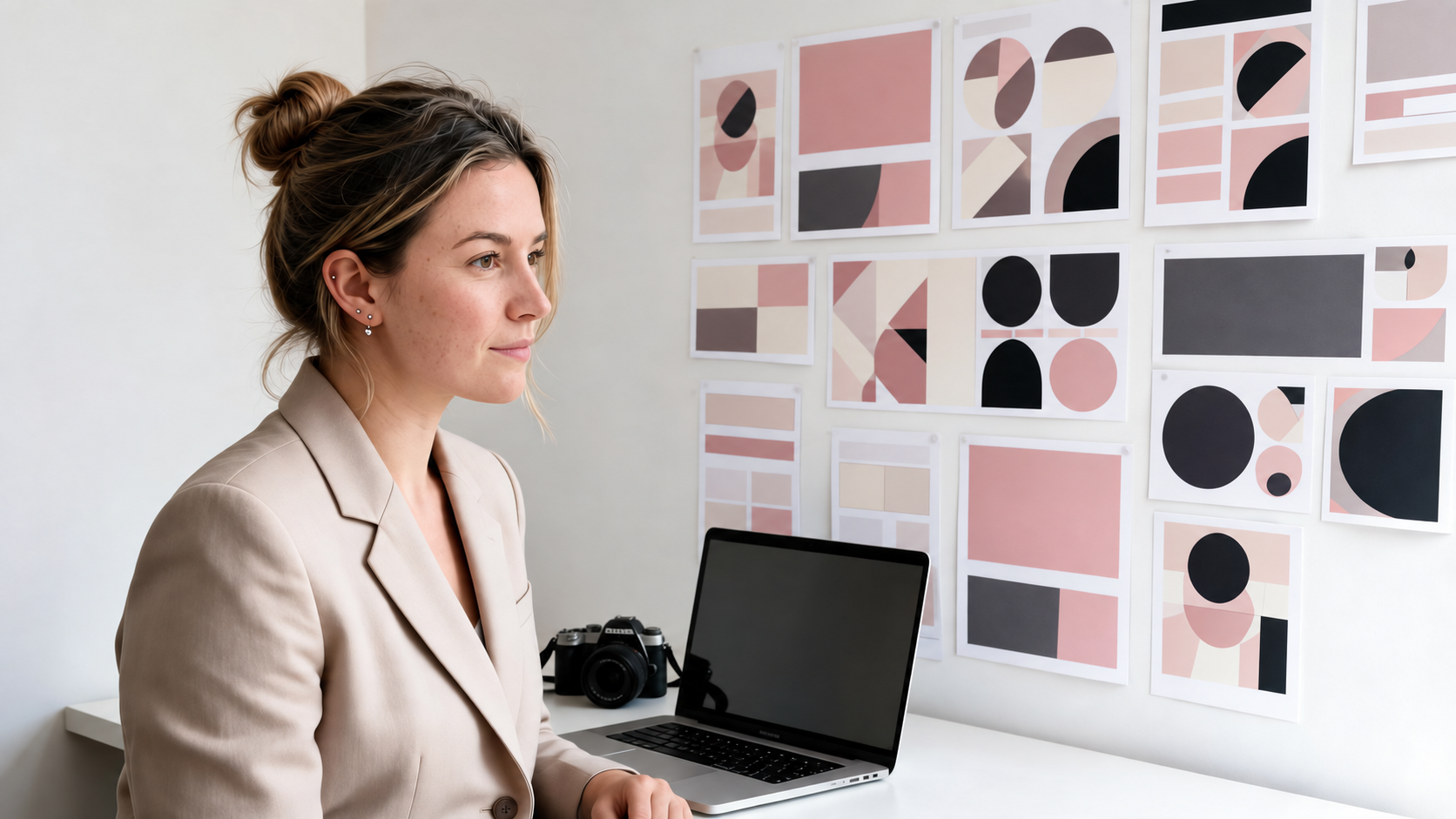
Feature image: Building a consistent visual campaign with an AI-generated brand model.
Producing one attractive campaign image is no longer the biggest challenge for brands. The harder task is maintaining a consistent visual identity across product pages, social posts, advertisements, email banners, and short-form videos.
A traditional photoshoot can deliver consistency, but it also requires models, locations, photographers, styling, scheduling, and post-production. For small businesses and independent creators, repeating that process every time a new campaign launches may be impractical.
AI-generated models offer another option. They allow creative teams to develop fictional adult characters, place them in different campaign settings, and test visual ideas before committing to a full production process. Used carefully, they can make content creation faster without sacrificing brand direction.
Customers often encounter a brand several times before making a purchase. They may first see an Instagram post, later visit a product page, and finally return through an advertisement.
If the model, lighting, colors, and overall style change dramatically at every touchpoint, the campaign can feel disconnected. Even when each image looks good on its own, the collection may not look like it belongs to the same brand.
Consistency does not mean every image must be identical. It means the visuals should share enough recognizable elements to feel related. These elements may include:
AI tools can help teams preserve these elements while still creating enough variation for multiple channels.
A useful AI model should be treated as a designed character rather than a random face. Before generating campaign images, define the character’s general appearance, age range, hairstyle, wardrobe direction, personality, and role within the campaign.
Brands can use an AI model generator to develop an original adult fictional model for fashion visuals, product advertisements, social posts, and campaign concepts. The goal is not simply to produce a realistic portrait. The goal is to establish a model who can remain recognizable across multiple scenes.
A simple character brief might include:
The more specific the brief is, the easier it becomes to evaluate whether each new image remains consistent.
After choosing a fictional model, create a small reference sheet before producing the entire campaign.
The sheet can include a neutral headshot, a full-body image, two or three expressions, a sample product pose, and examples of the preferred lighting. It should also document the details that must remain stable, such as facial structure, hairstyle, color palette, and body proportions.
This reference sheet gives the team a standard against which every new image can be reviewed. It also reduces the temptation to approve an attractive image that does not match the rest of the campaign.
A visual reference sheet is especially helpful when several people are involved. Designers, social media managers, copywriters, and clients can all review the same character definition rather than relying on different interpretations.
Instead of generating isolated images, plan a set of connected visual assets.
For example, an ecommerce campaign may need:
The model, product, and visual identity should remain consistent, but the composition needs to change for each format.
This is where AI-generated models can be particularly useful. A team can begin with one creative direction and adapt it for several placements without rebuilding the entire campaign from the beginning.
Creators who are still exploring their visual direction can also use a free AI girl generator to test fictional adult characters, styling ideas, portrait compositions, and social-media concepts before selecting a final campaign identity.
Short prompts often produce generic results. A stronger prompt should work like a compact creative brief.
It should describe:
For example, “a woman holding a skincare product” leaves most creative decisions to the generator. A more useful prompt would specify an adult fictional beauty model, a clean studio background, soft side lighting, natural skin texture, a waist-up composition, realistic product scale, and space for advertising text.
It is also helpful to change one variable at a time. If the model, outfit, background, lighting, and camera angle all change simultaneously, it becomes difficult to understand why one result works better than another.
AI-generated images still require human review. A polished result can contain small errors that become obvious after publication.
Review the following areas closely:
Product accuracy is especially important. If the AI changes a logo, package shape, button placement, or product color, the image may misrepresent what the customer will receive.
For campaigns involving a real product, it is often safer to preserve the product from an approved source image and use AI primarily for the surrounding model, environment, and creative concept.
A single image should not simply be cropped blindly for every channel. Each platform has different visual requirements.
A square composition may work well in a feed but leave too little room for a vertical story. A wide banner may need empty space for a headline. A product page may require more detail than a fast-moving social post.
Generate or edit each format with its final placement in mind. Keep important faces, products, and text away from areas that may be covered by buttons, captions, or interface elements.
Teams should also test the image at its real display size. A detail that looks clear on a large monitor may disappear on a phone screen.
AI-generated models should not impersonate real people or create false endorsements. Brands should use original fictional identities and avoid copying the distinctive likeness of a celebrity, influencer, employee, or customer without permission.
Disclosure may also be appropriate when an image could reasonably be mistaken for a real person or real event. The exact approach will depend on the platform, location, and type of campaign, but transparency helps maintain audience trust.
Teams should also keep records of the prompts, reference images, approved outputs, and usage decisions associated with a campaign. This makes it easier to correct an asset, reproduce a successful style, or respond to questions about how the content was created.
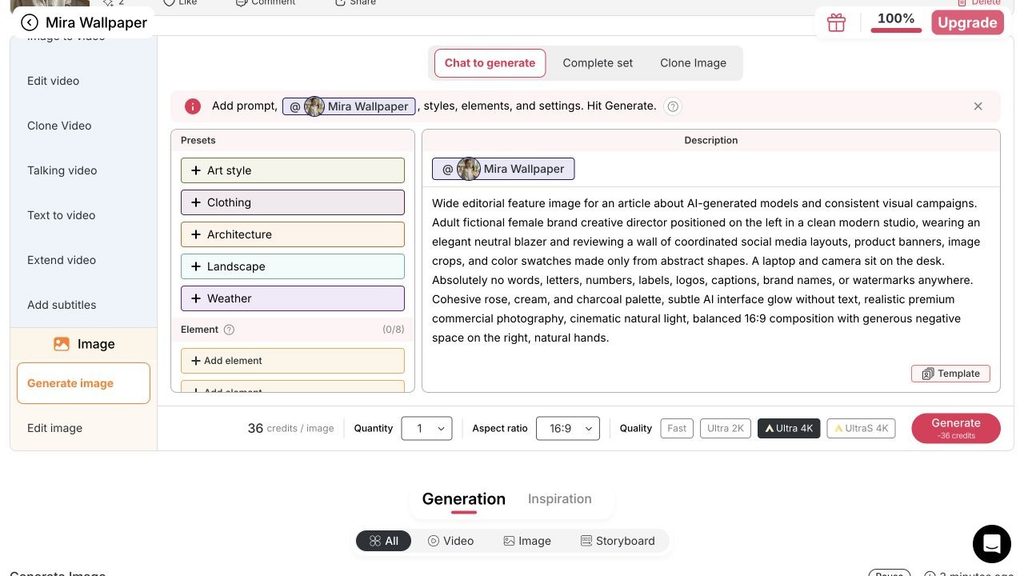
Guide screenshot 1: Prompt and output settings in the APOB AI workspace.
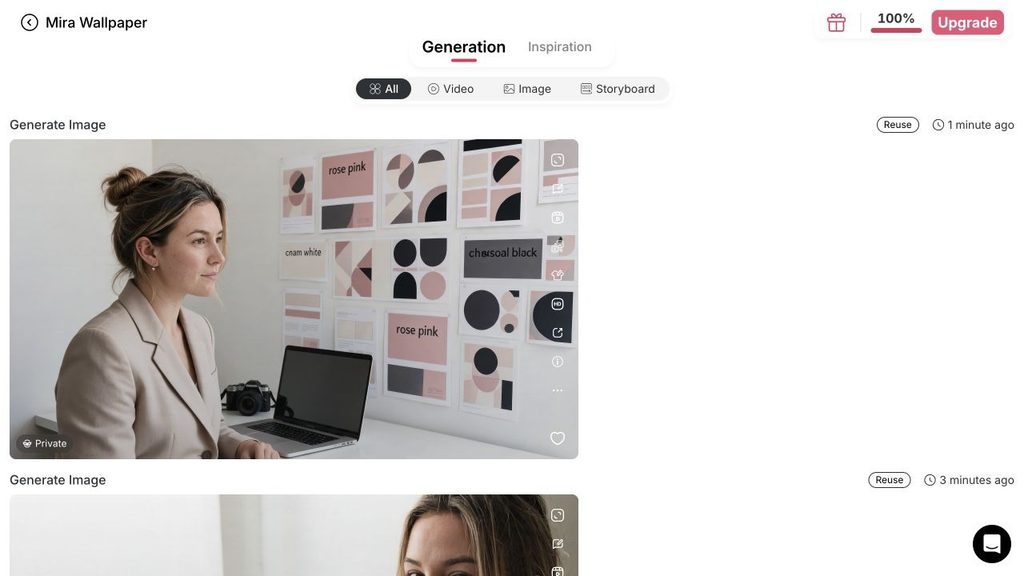
Guide screenshot 2: Generated campaign image ready for review.
AI-generated models are most useful when they support a defined creative system. A random collection of attractive portraits will not automatically produce a coherent campaign.
Start with an original fictional adult character, document the visual identity, plan the required formats, write detailed prompts, and review every output carefully. With that structure in place, brands can create more campaign variations while maintaining a recognizable and professional visual direction.
