Physical Address
304 North Cardinal St.
Dorchester Center, MA 02124
Physical Address
304 North Cardinal St.
Dorchester Center, MA 02124


🟢 Quick Answer
WhatsApp doesn’t show ads to users. Instead, Meta monetizes businesses that want to reach WhatsApp’s 2+ billion users. Revenue comes from four streams: the Business Platform API (per-conversation fees), Click-to-WhatsApp ads on Facebook/Instagram, WhatsApp Premium subscriptions, and transaction fees on WhatsApp Pay commerce.
If you’re a digital marketer or SME owner evaluating WhatsApp as a channel, understanding where the money flows helps you anticipate costs. Below is a clear, practical breakdown of each revenue pillar — no history lessons, just the information you need to budget and plan.
The free WhatsApp Business app works for small local shops, but medium and enterprise-level companies need the WhatsApp Business Platform (API) to handle high message volumes, deploy chatbots, and integrate with CRMs like HubSpot or Salesforce. This is where Meta makes the bulk of its direct WhatsApp revenue.
Meta uses a conversation-based pricing model. Instead of paying per individual message, businesses pay for a 24-hour “conversation window.” The cost depends on who initiates the conversation and its category:
💡 Practical tip: The first 1,000 service conversations per month are free. If you’re primarily handling inbound support, your costs may be minimal. Budget primarily for marketing-initiated outbound messages.
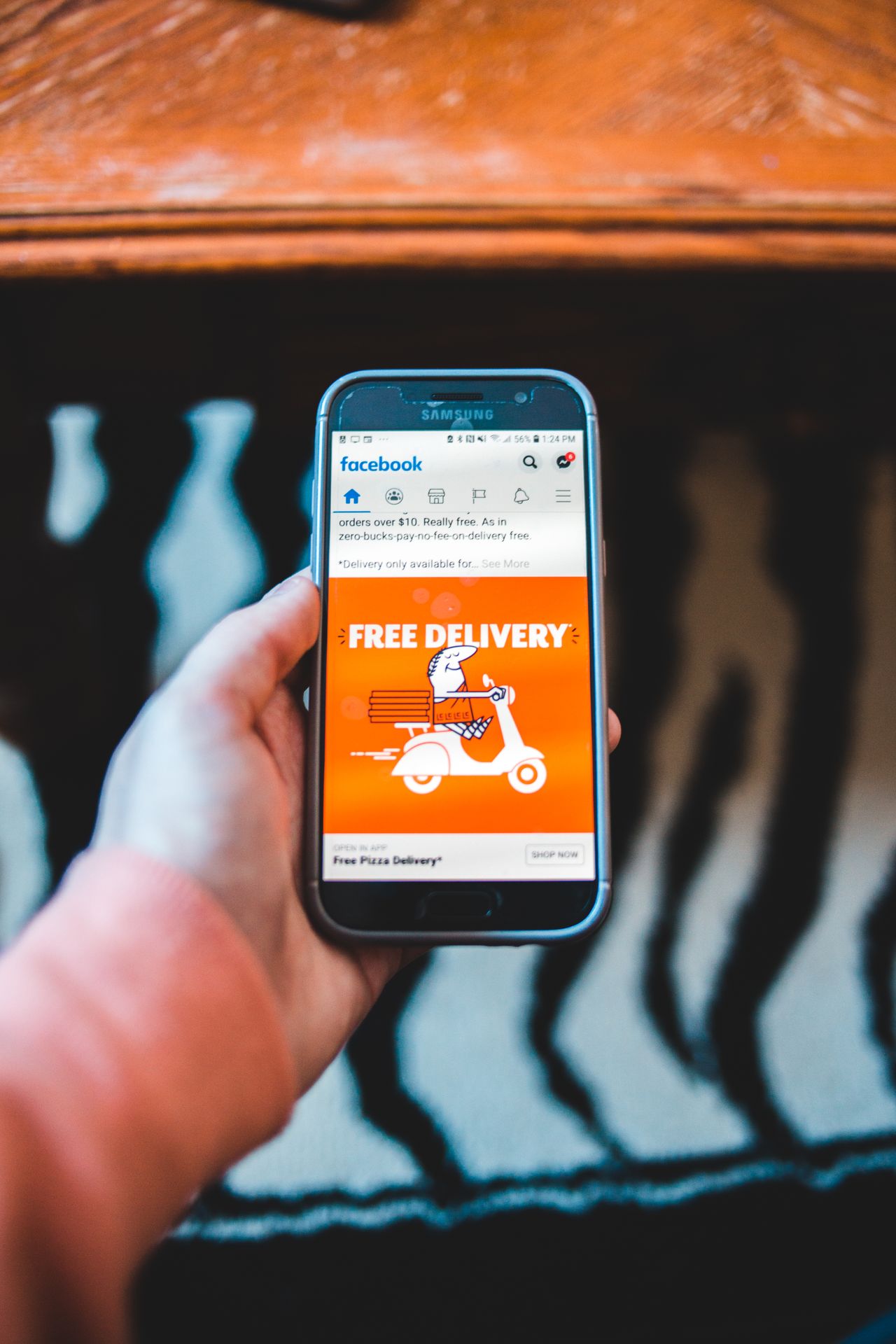
This is currently Meta’s fastest-growing WhatsApp revenue stream. Businesses purchase standard ads on Facebook or Instagram, but instead of a “Shop Now” button linking to a website, the CTA reads “Send Message.” Clicking it opens a WhatsApp chat directly with that business. Meta earns billions from the ad placement itself — standard Facebook/Instagram ad auction pricing applies.
For marketers, this means your Click-to-WhatsApp ad spend shows up as a regular Meta Ads expense. However, once the user lands in your WhatsApp chat, the conversation pricing from Pillar 1 kicks in. Budget for both: the ad CPC/CPM plus the per-conversation API fee if you’re using the Business Platform to handle the resulting chats at scale.
Not every business needs enterprise-grade API access. For smaller teams, Meta offers WhatsApp Premium — an optional paid subscription within the free WhatsApp Business app. For a monthly fee, business owners unlock features like linking up to 10 devices to a single account (so multiple employees can respond simultaneously) and a custom professional web link (e.g., wa.me/YourBrand).
This tier fills the gap between the completely free app and the full API. If you’re an SME with 3–10 customer service reps but don’t need chatbot automation or CRM integration yet, Premium is likely your entry point — and Meta’s way of monetizing you before you scale into the API.
In key markets — India, Brazil, and Singapore — WhatsApp functions as an end-to-end commerce platform. Users browse a store’s catalog, add items to a cart, and pay directly inside the chat using WhatsApp Pay. Peer-to-peer transfers between friends are free, but Meta charges businesses a small, flat transaction fee (similar to standard card processing) on every commercial sale.
For businesses operating in these markets, WhatsApp Pay eliminates friction by keeping the entire purchase journey inside one app. If you’re targeting India or Brazil specifically, factor in the ~2% processing fee when modeling your unit economics. In markets where WhatsApp Pay isn’t yet available, this pillar doesn’t apply to your cost planning.
Yes. WhatsApp is completely free for individual users — no subscription, no ads. Meta’s model monetizes businesses, not consumers. You will never see banner ads in your personal chats.
There’s no fixed monthly fee for the API itself — you pay per conversation. Rates vary by country and category. For example, a marketing conversation in the US costs roughly $0.025, while a utility conversation is about $0.015. The first 1,000 service conversations per month are free. Check Meta’s official rate card for your market.
Meta explored placing ads in the Status tab around 2018–2019 but abandoned the plan after internal backlash. As of 2026, there are no ads within WhatsApp. Meta’s current strategy focuses on business-to-consumer monetization rather than interrupting user conversations with display ads.
