Physical Address
304 North Cardinal St.
Dorchester Center, MA 02124
Physical Address
304 North Cardinal St.
Dorchester Center, MA 02124

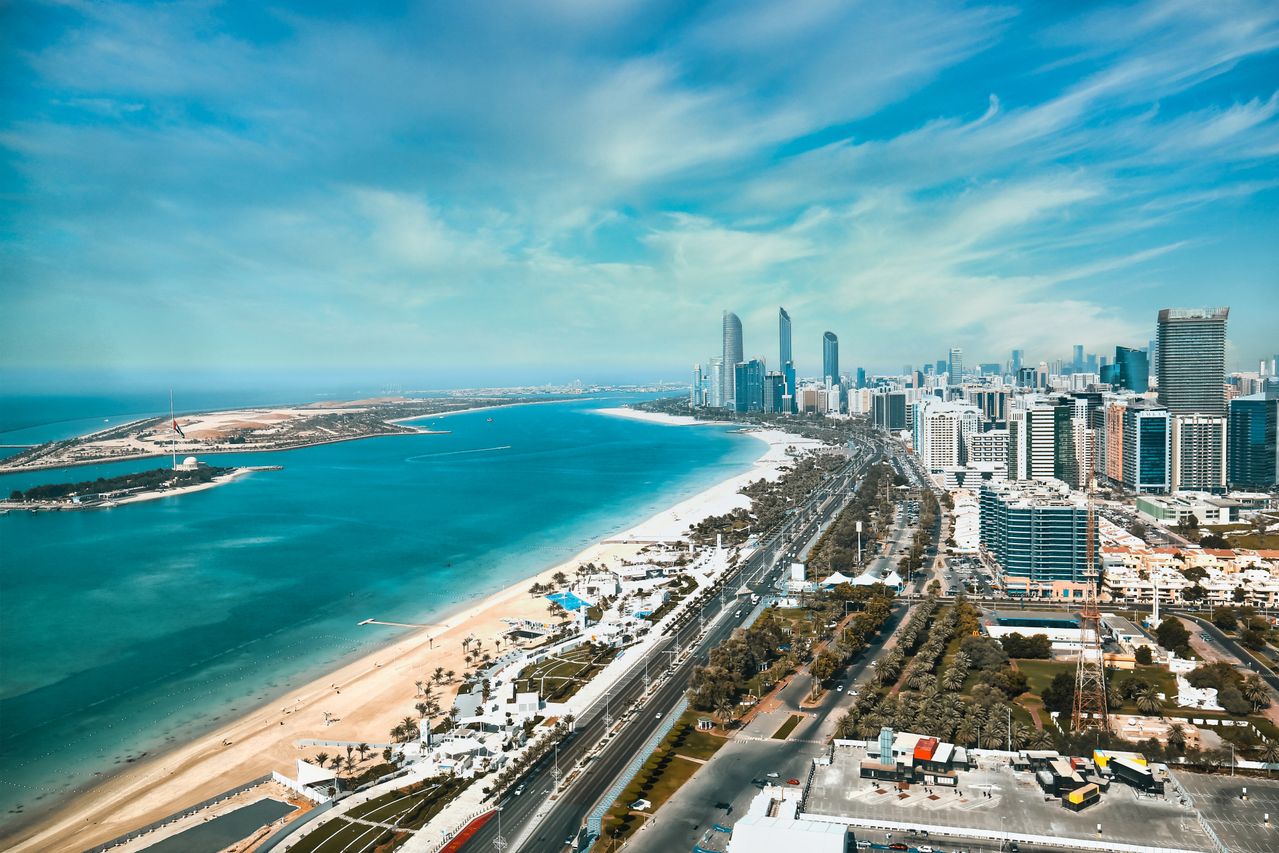
For years, a single narrative dominated conversations about tourism in the Gulf: Dubai’s skyline, its malls, its beach resorts, built around a winter high season and warm-weather rest the other nine months. That narrative is starting to fracture. Qatar, Saudi Arabia, and the smaller emirates are each building distinct tourism identities, and much of that differentiation is happening indoors, away from the sun that has always defined the region’s travel calendar.
The shift matters because it changes what “peak season” even means. A destination built entirely around beaches and outdoor activity has a hard ceiling: temperatures above 40°C for roughly five months of the year push visitors toward air-conditioned malls or away from the region altogether. Climate-controlled entertainment removes that ceiling, and Gulf destinations have noticed.
Qatar’s approach after the 2022 World Cup is instructive. Rather than relying on stadium legacy alone, Doha has continued investing in large-scale indoor attractions designed to hold visitors regardless of season. Doha Oasis, a mixed-use development near Msheireb, houses one such project: an indoor theme park spanning roughly 32,000 square metres, built around more than 30 rides ranging from a record-height indoor roller coaster to family-oriented attractions for younger children.
Doha Quest illustrates a broader design logic now shaping Gulf tourism planning: build the experience first, then make weather irrelevant to it. A roller coaster or drop tower that would typically anchor an outdoor park instead sits inside a climate-controlled structure, which means the attraction’s operating calendar looks identical in July and January — a distinction that matters enormously in a region where outdoor parks routinely scale back operations during summer months.
This isn’t unique to Qatar, but Doha has arguably been more deliberate about it than most. Where Dubai built its winter-season identity around retail and events, Doha’s newer developments have leaned into experiential entertainment as a year-round draw, aimed as much at resident families and regional weekend visitors as at long-haul tourists.
What’s less discussed is how this same logic is playing out beyond the region’s two best-known destinations. Ras Al Khaimah, the northernmost emirate in the UAE, spent the last decade building an identity distinct from Dubai’s — one centred on adventure tourism, mountain landscapes, and outdoor activity rather than shopping and nightlife. The emirate’s Jebel Jais mountain range hosts the world’s longest zipline, and its tourism authority has continued expanding adventure and eco-tourism offerings aimed at a different traveller than the one Dubai typically attracts.
That divergence is deliberate. Ras Al Khaimah’s tourism strategy has focused on positioning the emirate as a distinct outdoor and adventure destination within the wider UAE offering, rather than competing directly with Dubai on scale. The two approaches — Doha’s climate-controlled indoor investment and Ras Al Khaimah’s outdoor adventure positioning — represent opposite bets on the same underlying problem: how does a Gulf destination hold visitor interest across a full calendar year, not just a five-month cool season.
For travellers, the practical effect is a wider set of legitimate reasons to visit the Gulf outside the traditional November-to-March window. A family planning a July stopover in Doha, historically a period agencies would have steered them away from, now has an indoor itinerary that doesn’t depend on the weather cooperating. That’s a meaningful change in a region where summer travel advisories have long shaped booking patterns.
It also changes how these destinations compete with each other. Rather than each emirate or country trying to replicate Dubai’s retail-and-resort model, the more successful strategy appears to be specialisation: Doha investing in large-format indoor entertainment, Ras Al Khaimah building an adventure-tourism identity around its geography, Saudi Arabia’s giga-projects betting on scale and novelty. Tourism boards across the region have increasingly framed this as complementary rather than competitive — a traveller doing a two-week Gulf itinerary might reasonably visit more than one of these destinations for genuinely different experiences, rather than treating them as interchangeable stops.
The Gulf’s tourism growth over the past decade has often been described in terms of infrastructure spend and visitor numbers. The more interesting story is the one about seasonality — how destinations that were once defined almost entirely by their weather are now building attractions and identities that function independently of it.
That shift from a single winter season to a genuinely year-round calendar is, in some ways, a bigger structural change than any individual attraction opening. It suggests a region no longer betting its tourism economy on six good months, but building the kind of infrastructure — climate-controlled or otherwise — that makes the other six worth showing up for too.
