Physical Address
304 North Cardinal St.
Dorchester Center, MA 02124
Physical Address
304 North Cardinal St.
Dorchester Center, MA 02124

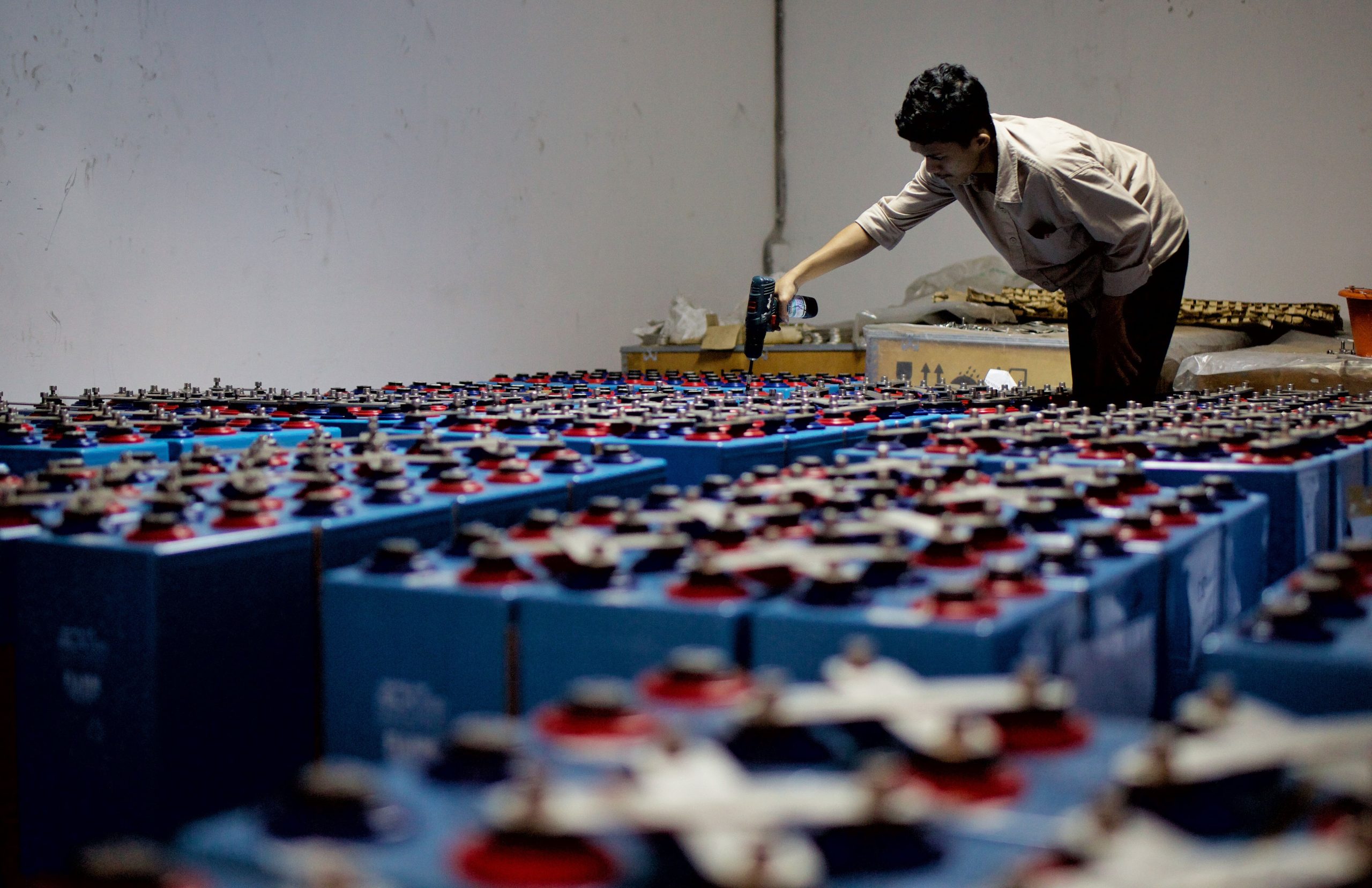
Batteries are used in almost every part of modern life. They power phones, laptops, vehicles, tools, backup systems, watches, medical devices, meters, and countless pieces of equipment. When they stop working, it can be tempting to think of them as finished products with no further use. In reality, many batteries still contain materials that can be recovered, processed, and directed into new uses.
The battery recycling process is designed to keep used batteries out of regular trash, reduce waste, and recover useful materials whenever possible. The exact process can vary depending on the battery type, but most battery recycling follows a few important stages: collection, sorting, safe preparation, processing, and material recovery.
The first step in battery recycling is collection. Used batteries may come from homes, offices, schools, warehouses, repair shops, utility departments, hospitals, vehicles, or industrial facilities.
Before batteries can be recycled, they need to be gathered and stored properly. This means keeping them separate from regular trash and avoiding loose storage with metal objects, wires, tools, or other materials that could cause damage or short circuits.
Good collection practices make the rest of the recycling process easier. They also help prevent batteries from sitting forgotten in drawers, closets, garages, storage rooms, or maintenance areas for years.
Once batteries are collected, they are sorted by chemistry and condition. This is one of the most important parts of the process because not all batteries are made the same.
Lithium-ion batteries, lead acid batteries, alkaline batteries, nickel-cadmium batteries, nickel-metal hydride batteries, lithium primary batteries, button cells, and other specialty batteries can all require different handling methods.
Sorting helps determine how each battery should be packaged, transported, and processed. It also helps separate damaged batteries from normal used batteries. A swollen lithium-ion battery, a leaking lead acid battery, or a corroded button cell may need extra care before it can move further into the recycling process.
After sorting, batteries are prepared for safe handling. This may include protecting terminals, separating damaged batteries, grouping batteries by type, and making sure containers are stable and clearly identified.
This step matters because used batteries may still contain stored energy even when they no longer power a device. Batteries that are crushed, punctured, overheated, or mixed with conductive materials can create safety concerns.
Proper preparation helps reduce risk before batteries are processed.
Once batteries reach the proper recycling process, they are broken down into their main materials. The method used depends on the battery chemistry.
Lead acid batteries may be processed so the lead, plastic casing, and electrolyte can be separated. Lithium-ion batteries may go through mechanical, thermal, or chemical processing to separate metals, plastics, graphite, casing materials, and other battery components. Alkaline and specialty batteries may follow different recovery paths depending on their materials.
The goal is to recover as much useful material as possible while managing the remaining components responsibly.
Many batteries contain materials such as lead, lithium, nickel, cobalt, manganese, copper, aluminum, steel, zinc, graphite, plastics, and other components. After processing, these materials may be refined, reused, or directed into manufacturing and industrial material streams.
Not every material becomes a new battery, but recycling still helps keep valuable resources from being wasted. It also reduces the need to treat used batteries as ordinary garbage.
The battery recycling process is about more than disposal. It is a way to collect used batteries, sort them properly, manage safety risks, recover useful materials, and reduce unnecessary waste.
The best approach starts before the battery ever reaches a recycling facility. Used batteries should be identified, stored safely, kept separate from regular trash, and handled with care if damaged. With the right process, batteries that once powered everyday devices can move into a cleaner and more responsible end-of-life path.
