Physical Address
304 North Cardinal St.
Dorchester Center, MA 02124
Physical Address
304 North Cardinal St.
Dorchester Center, MA 02124


For years, businesses competed on execution.
The companies that could create better content, launch campaigns faster, or produce more marketing assets often gained an advantage over slower competitors.
Artificial intelligence is rapidly changing that equation.
Today, almost every organization has access to powerful content creation tools. AI can generate articles, images, videos, email copy, ad creatives, and social media posts in minutes.
As creation becomes easier, differentiation becomes harder.
When everyone can produce content at scale, the question is no longer:
“Who can create more?”
Instead, it becomes:
“Who understands their audience better?”
This shift is giving rise to a new competitive asset: audience intelligence.
One of the defining characteristics of the AI era is accessibility.
Tasks that once required specialized teams can now be completed with a few prompts.
Small businesses can create content at a level previously reserved for larger organizations.
Startups can compete with established brands in ways that would have been impossible just a few years ago.
While this democratization is empowering, it also creates a new challenge.
When content production becomes abundant, content itself becomes less of a competitive advantage.
The bottleneck moves elsewhere.
And increasingly, that bottleneck is understanding people.
Content attracts attention.
Data explains attention.
This distinction matters.
A company may know that a campaign performed well, but audience intelligence reveals why it performed well.
It uncovers:
The organizations that understand these patterns gain insights that competitors cannot easily replicate.
In many industries, proprietary audience knowledge is becoming more valuable than the content used to acquire it.
Historically, customer understanding relied heavily on surveys, focus groups, and demographic research.
These methods remain useful, but they are often limited by scale, cost, and timing.
Digital platforms now generate vast amounts of behavioral information every day.
People reveal their interests through:
These signals create a real-time picture of market behavior.
As a result, many growth teams are investing less in assumptions and more in audience intelligence.
Most businesses still think of social media primarily as a distribution channel.
Increasingly, however, social platforms function as intelligence networks.
Every niche community contains valuable information about consumer interests and market demand.
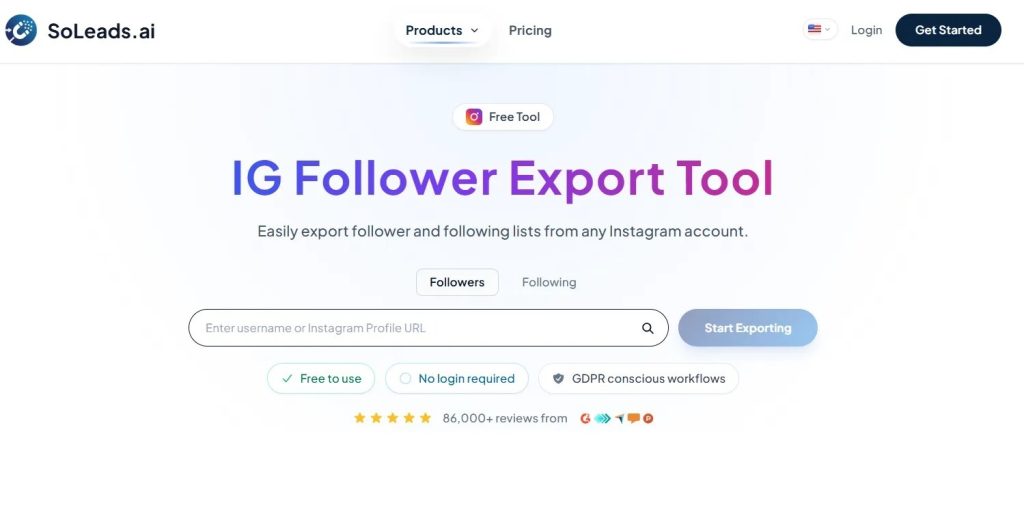
This is one reason why tools such as an ig follower export tool have gained popularity among marketers and growth teams. Rather than focusing solely on content performance, businesses are beginning to analyze audience composition, identify patterns, and uncover opportunities hidden within follower communities.
The objective is not simply reaching people.
It is understanding them.
Understanding consumer interests is valuable.
Understanding professional intent is often even more valuable.
Many buying decisions – especially in B2B markets – are influenced by professional roles, responsibilities, and organizational priorities.
This creates an important challenge:
How do businesses connect audience interests with professional context?
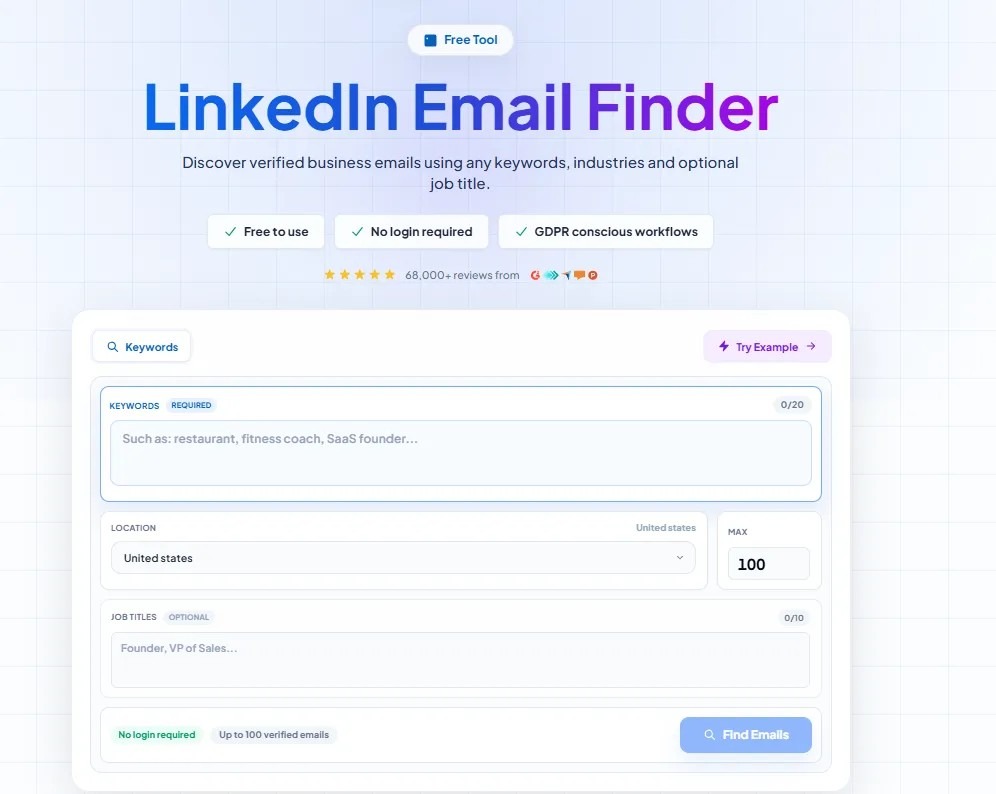
As organizations seek more complete prospect profiles, solutions such as a linkedin email finder are increasingly being used to bridge that gap. Social engagement may reveal interests, while professional data reveals decision-making authority, industry relevance, and potential business opportunities.
Together, these signals create a more holistic understanding of modern audiences.
There is a common misconception that AI reduces the need for audience research.
The opposite is true.
AI amplifies whatever information it receives.
If a company deeply understands its audience, AI can help scale effective messaging.
If a company lacks audience understanding, AI simply scales assumptions.
In this sense, audience intelligence becomes the foundation upon which AI-driven strategies are built.
Technology accelerates execution.
Understanding guides direction.
Both are necessary.
Throughout history, competitive advantages have evolved.
First came access to information.
Then access to technology.
Today, many technologies are widely available.
The next moat is not access – it is insight.
Companies that possess unique knowledge about their audiences can:
These advantages compound over time.
Unlike content, which can be copied, audience understanding is difficult to replicate.
Many organizations still focus heavily on outputs:
These metrics remain important.
But future growth leaders may pay even closer attention to inputs:
The answers to these questions often determine long-term success more than any single campaign.
The AI revolution is often described as a technological transformation.
In reality, it may become a human understanding transformation.
As content creation becomes increasingly automated, audience knowledge becomes increasingly valuable.
The businesses that thrive in this environment will not necessarily be those producing the most content.
They will be those generating the deepest insights.
Because in a world where everyone has access to similar tools, understanding people remains one of the few advantages that cannot be commoditized.
And that is precisely why audience intelligence is becoming the new competitive advantage.
