Physical Address
304 North Cardinal St.
Dorchester Center, MA 02124
Physical Address
304 North Cardinal St.
Dorchester Center, MA 02124


🟢 The Short Version
WhatsApp dominates globally because it bypassed expensive SMS fees using internet data, works identically across Android and iOS, requires no username or password (just a phone number), encrypts all messages by default, and supports voice-note-driven communication cultures. These five factors created unstoppable network effects in 180+ countries.
With over 2 billion monthly active users, WhatsApp isn’t merely a messaging app — it’s the primary communication infrastructure for entire nations. If you’re a US-based product manager or marketer wondering why the rest of the world doesn’t just use iMessage or SMS, the answer lies in a combination of economic history, platform design decisions, and cultural alignment that most American tech coverage overlooks entirely.
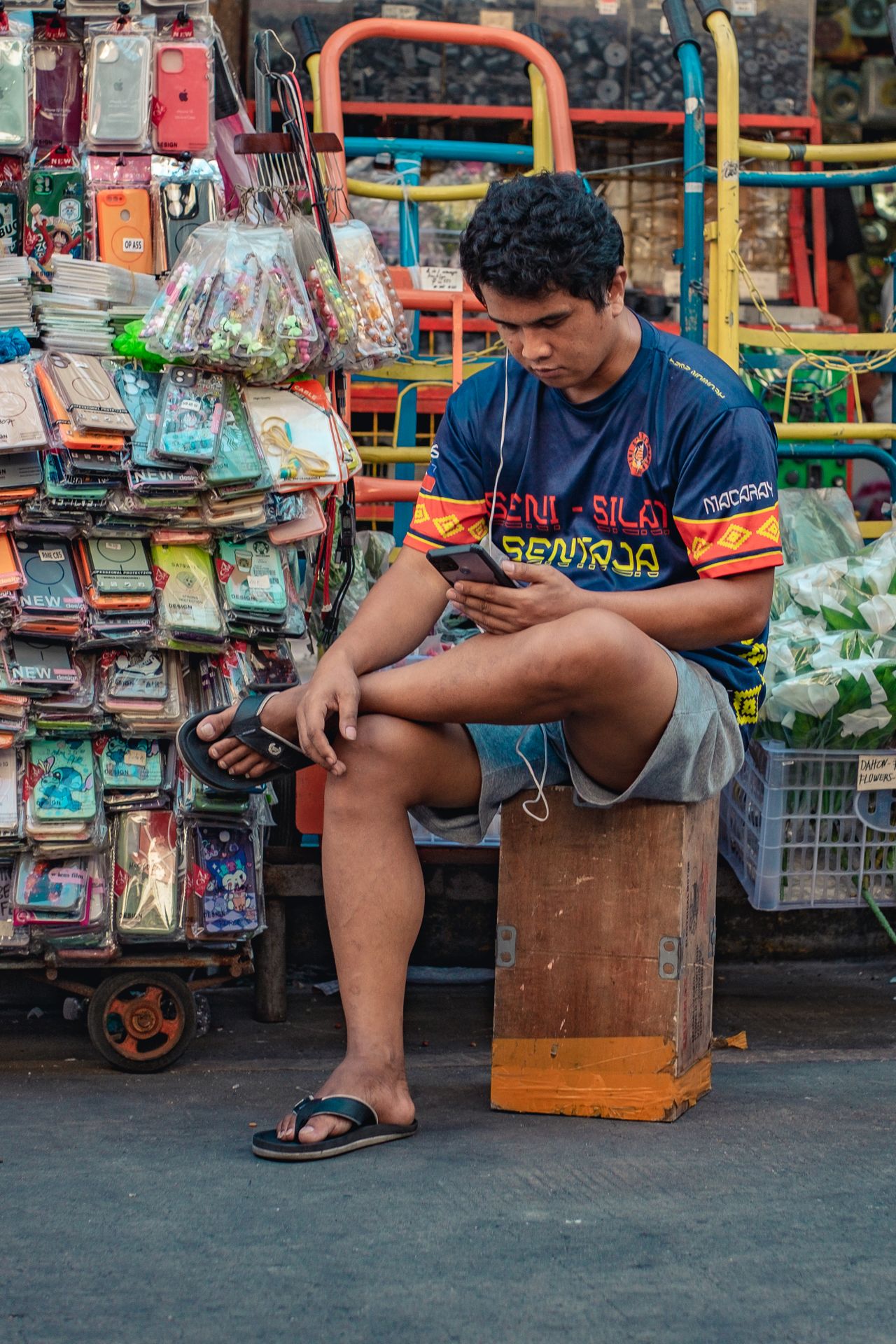
Here’s a fact that surprises many Americans: outside the United States, telecom companies historically charged per SMS — often 5 to 15 cents per message, with international texts costing significantly more. MMS (picture messages) could run 50 cents or more. In countries like India, Brazil, Nigeria, and Indonesia, where average monthly incomes might be $200–$500, these per-message costs were genuinely prohibitive for daily communication. WhatsApp’s value proposition was radical in its simplicity: send unlimited text, photos, videos, and voice calls using only your existing internet connection — Wi-Fi at a café, or a basic mobile data plan.
This wasn’t a marginal improvement. It was a category elimination. For billions of people in emerging markets, WhatsApp didn’t compete with SMS — it made SMS irrelevant overnight. The psychological impact matters too: users shifted from a scarcity mindset (counting messages) to an abundance mindset (unlimited communication). This is why WhatsApp groups of 50+ family members are normal in South Asia and Latin America — there’s zero incremental cost to adding another person to the conversation.
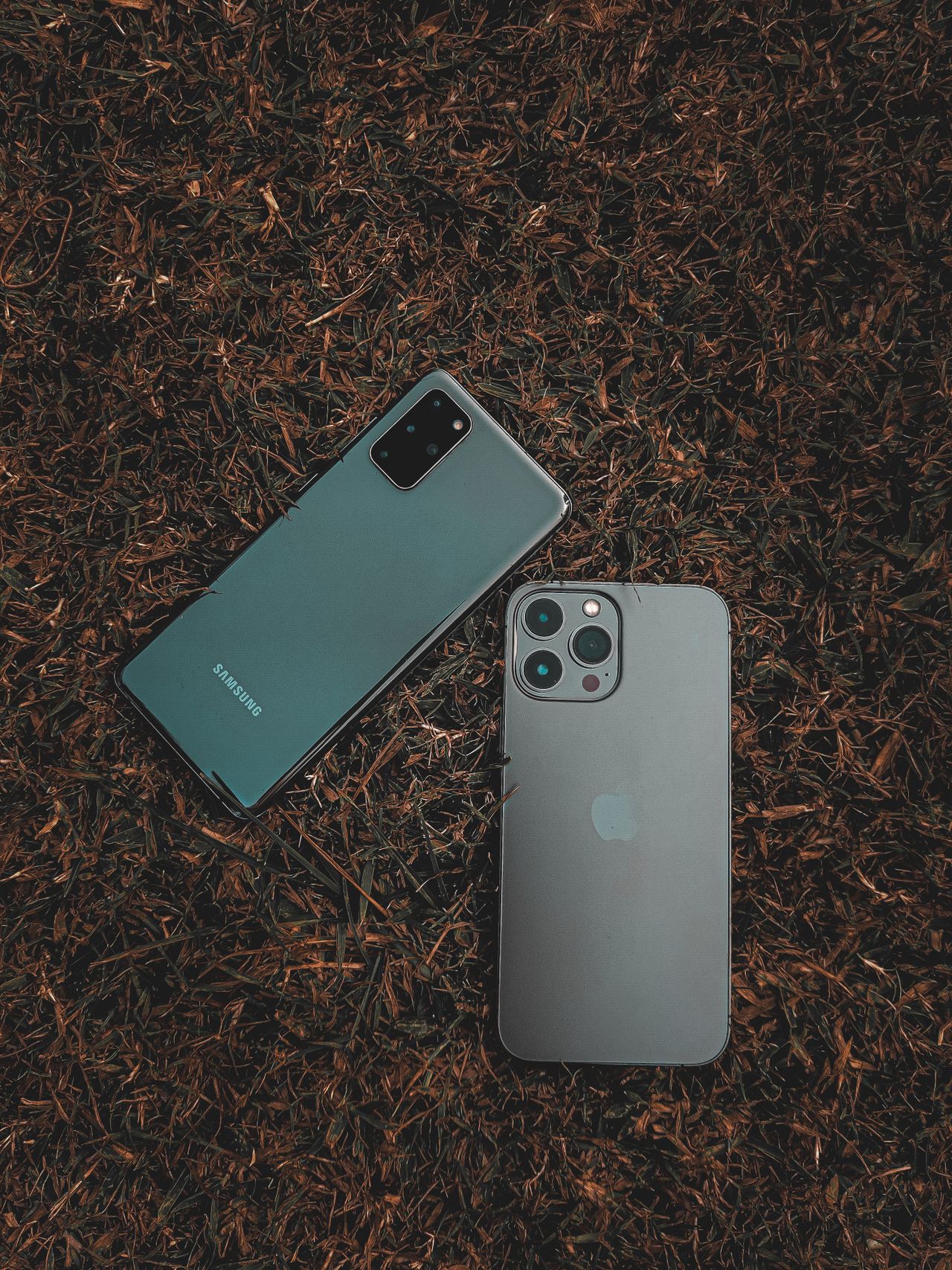
The ‘green bubble vs. blue bubble’ divide is a uniquely American phenomenon — and from a UX research perspective, it’s a fascinating case study in artificial friction. When an iPhone user texts an Android user via standard SMS/RCS in the US, video quality degrades, group chats fragment, reactions don’t translate, and social signaling kicks in. WhatsApp eliminates this entirely. A message sent from a $100 Xiaomi Redmi in Lagos looks, functions, and feels identical to one received on a $1,200 iPhone 16 Pro in London.
For product managers studying this: WhatsApp’s cross-platform parity isn’t accidental — it’s a deliberate architectural decision that removed the single biggest source of messaging fragmentation globally. In markets where Android holds 80–95% market share (most of Africa, South Asia, Southeast Asia), this feature matters less day-to-day. But it becomes critical for diaspora communication — a family split between a rural village and an urban center abroad can communicate seamlessly regardless of device economics.
Unlike Discord, Telegram, Signal, or Snapchat, WhatsApp requires no username creation, no password memorization, and no friend-request workflow. Your identity is your phone number. If someone’s number exists in your phone’s contact book and they have WhatsApp installed, you can message them instantly — no discovery step required. This design choice had profound implications for adoption among non-tech-savvy populations.
Consider the onboarding from a UX perspective: download the app, verify your number via SMS code, and you’re done. Your entire existing contact network is immediately visible. There’s no ‘cold start problem’ — you don’t need to convince friends to add you. For a 65-year-old grandmother in São Paulo or a shopkeeper in Karachi, this frictionless entry point was the difference between adoption and confusion. It’s also why WhatsApp became the default business communication tool in emerging markets — customers already have your number from your storefront sign.
In 2016, WhatsApp rolled out end-to-end encryption powered by the Signal protocol to all 1+ billion users — making it the largest deployment of strong encryption in history. This means that messages, calls, photos, and videos are encrypted on the sender’s device and can only be decrypted by the intended recipient. Not Meta, not your internet service provider, not government surveillance agencies can read message content in transit or at rest on WhatsApp’s servers.
For UX researchers studying trust: this feature matters disproportionately in countries with histories of government surveillance, political instability, or weak data protection laws. In regions like the Middle East, Southeast Asia, and parts of Africa, WhatsApp’s encryption isn’t a nice-to-have — it’s a safety mechanism. Journalists, activists, and ordinary citizens conduct sensitive conversations with the confidence that interception requires compromising the physical device itself, not the network. This trust layer is nearly impossible for competitors to replicate retroactively.
In many regions, typing long messages is genuinely cumbersome — Arabic script requires precise diacritics, Hindi has complex conjunct characters, and literacy rates vary significantly even within single countries. WhatsApp’s voice note feature (hold-to-record, release-to-send) created an entirely new communication paradigm. In Brazil, voice notes are so culturally embedded that sending a typed message can feel impersonal. In the Middle East and South Asia, 3–5 minute voice messages are routine daily communication.
Beyond voice, WhatsApp handles document sharing (PDFs, spreadsheets), live location broadcasting, high-resolution photos, and contact cards seamlessly. This makes it an all-in-one utility — replacing email attachments, Google Maps links, and file-sharing services for billions of users. For sociologists studying this space: WhatsApp didn’t just digitize existing communication patterns. It created new ones. The voice note isn’t a phone call and isn’t a text message — it’s an asynchronous, intimate, low-effort medium that had no predecessor.
The US is unique because carriers offered unlimited SMS bundled with phone plans since the early 2000s. There was never a cost incentive to switch to data-based messaging. Combined with Apple’s dominant market share and iMessage’s tight iOS integration, American users never experienced the pain point that drove WhatsApp adoption elsewhere. It’s a case study in how infrastructure economics shape product adoption.
The encryption is real and independently audited. WhatsApp uses the Signal protocol — the same open-source cryptographic framework used by the Signal app itself, which is recommended by security researchers worldwide. The encryption covers message content, but metadata (who you message, when, and how often) is still collected by Meta. For most threat models, WhatsApp’s encryption is genuinely strong. For high-risk individuals, Signal remains the recommendation due to minimal metadata collection.
Network effects make displacement extremely difficult. When your family group chat, your work coordination, your children’s school updates, and your local business orders all happen on WhatsApp, switching costs are enormous — even if a technically superior alternative exists. Telegram has gained ground in specific niches (crypto communities, large broadcast channels), but hasn’t displaced WhatsApp for intimate, daily communication in any major market. The closest parallel is WeChat in China, which succeeded only because WhatsApp was blocked by the government.
