Physical Address
304 North Cardinal St.
Dorchester Center, MA 02124
Physical Address
304 North Cardinal St.
Dorchester Center, MA 02124
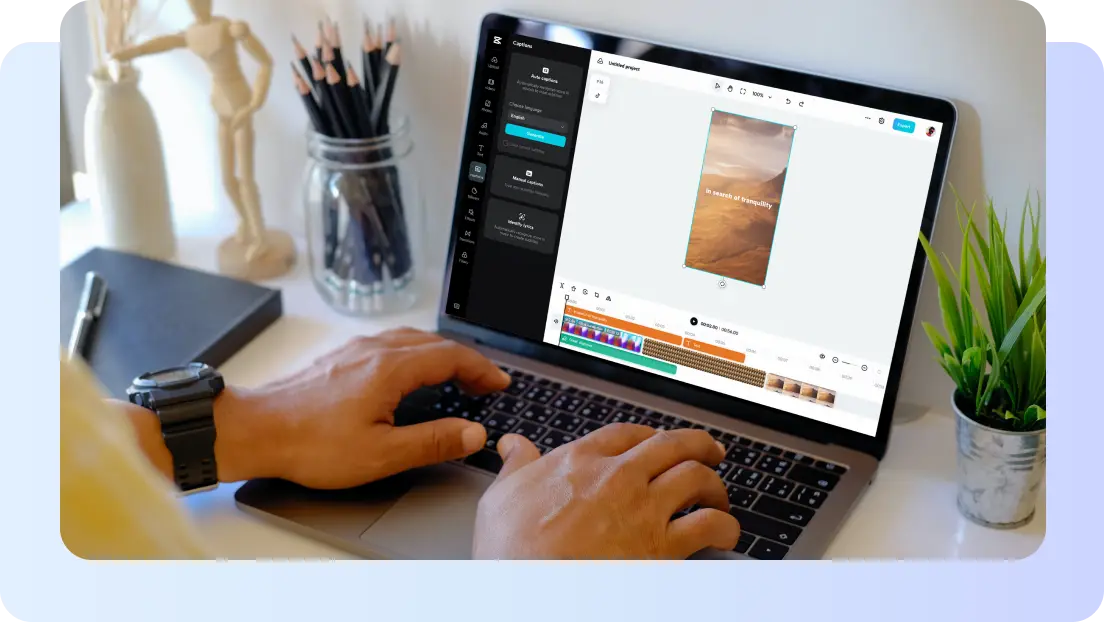
The rise of artificial intelligence has transformed how digital content is produced. What once required cameras, studios, actors, and audio engineers can now be done with software in minutes. Two of the most powerful tools leading this shift are the AI video generator and the AI voice generator.
Together, they allow creators, marketers, educators, and businesses to produce professional-quality videos with realistic narration—without expensive equipment or long production cycles.
Let’s dive into what these tools are, how they work, and why they’re becoming essential in modern content strategies.
An AI video generator is software that uses machine learning to create videos from simple inputs such as text scripts, images, slides, or prompts. Instead of manually filming and editing footage, users can describe what they want—or upload written content—and let the system automatically assemble visuals, transitions, animations, and subtitles.
Some platforms even feature digital avatars that act as on-screen presenters, making explainer videos and tutorials easier than ever.
These platforms have found homes across nearly every industry:
Marketing teams use them for product launches, explainer ads, landing page videos, and social cut-downs.
E-commerce brands create walkthroughs, feature highlights, and comparison clips.
Educators turn lesson plans into animated lectures or microlearning modules.
Corporate teams produce onboarding videos, compliance training, and internal updates.
Agencies spin a single concept into dozens of ad variants for A/B testing.
Global companies localize content into multiple languages without reshooting footage.
The unifying thread is volume. AI video generators thrive in environments where teams need to produce lots of videos, iterate fast, and adapt to different platforms without reinventing the wheel every time.
AI video generators are widely used for:
An AI voice generator, also called text-to-speech (TTS) software, converts written text into spoken audio using neural networks trained on real human voices. Today’s systems produce speech that sounds remarkably natural—complete with emotion, tone control, pacing, and even different accents.
These voices can be used for narration, audiobooks, podcasts, voice assistants, and video voiceovers.
Modern AI voices handle pacing, inflection, emotional tone, emphasis, and even subtle pauses. Many platforms offer libraries of voices with different ages, genders, accents, and speaking styles, from calm corporate narrators to upbeat social-media hosts. Some systems go further, allowing voice cloning when proper consent is given, so brands can maintain a consistent narrator across hundreds of videos.
These voices are used for video narration, audiobooks, podcasts, app interfaces, training modules, IVR systems, and virtual assistants.
Modern AI voice tools can:
Separately, these tools are impressive. Combined, they become a full production pipeline.
A typical workflow looks something like this:
You write a script, outline, or product description.
You drop it into an AI video generator to structure the visuals.
You select an AI voice generator for narration.
The system syncs the voiceover to animations or avatars.
You layer in branding, captions, and background music.
You export platform-ready videos in multiple aspect ratios.
What once required coordination between writers, videographers, editors, sound engineers, and presenters can now be handled by one person orchestrating software.
This is especially powerful for marketing teams running performance campaigns. Instead of commissioning a single expensive ad, they can generate twenty variations with different hooks, tones, pacing, and calls to action, then let the data decide which one wins
These tools offer massive advantages over traditional production methods:
Create videos in minutes instead of weeks.
No need for cameras, microphones, actors, or editing teams.
Generate hundreds of variations for ads, languages, or platforms.
Easily translate and dub content for international audiences.
Maintain the same tone, voice, and branding across every video.
AI video and voice generators are popular across industries:
When choosing platforms, consider the following:
The enthusiasm around these tools is not hype. The benefits are concrete.
Cost savings:
No cameras. No lighting rigs. No microphones. No studio rental. No freelance voice actors for every revision. For startups and small teams, this is often the difference between doing video marketing at all or skipping it entirely.
Scalability.
Once a system is set up, generating fifty versions of the same core message is trivial. Different languages, platforms, audiences, or seasonal updates become a few clicks instead of new shoots.
Global reach.
AI voice tools paired with video generators make localization dramatically easier. Translate the script, regenerate narration, and publish region-specific versions without flying crews around the world.
Consistency.
Brand voice, pacing, visual style, and presenter tone stay uniform across campaigns, even when output volume skyrockets.
For organizations that live or die by content velocity, these advantages stack up fast.
While AI-generated media is powerful, it’s important to use it responsibly. Always ensure:
Responsible use builds trust and protects your brand.
AI video generators and AI voice generator are redefining how digital media is created. They remove technical barriers, lower production costs, and allow anyone to tell stories through video and sound.
Whether you’re a solo creator or a global company, these tools give you the ability to produce professional content at scale—faster than ever before.