Physical Address
304 North Cardinal St.
Dorchester Center, MA 02124
Physical Address
304 North Cardinal St.
Dorchester Center, MA 02124

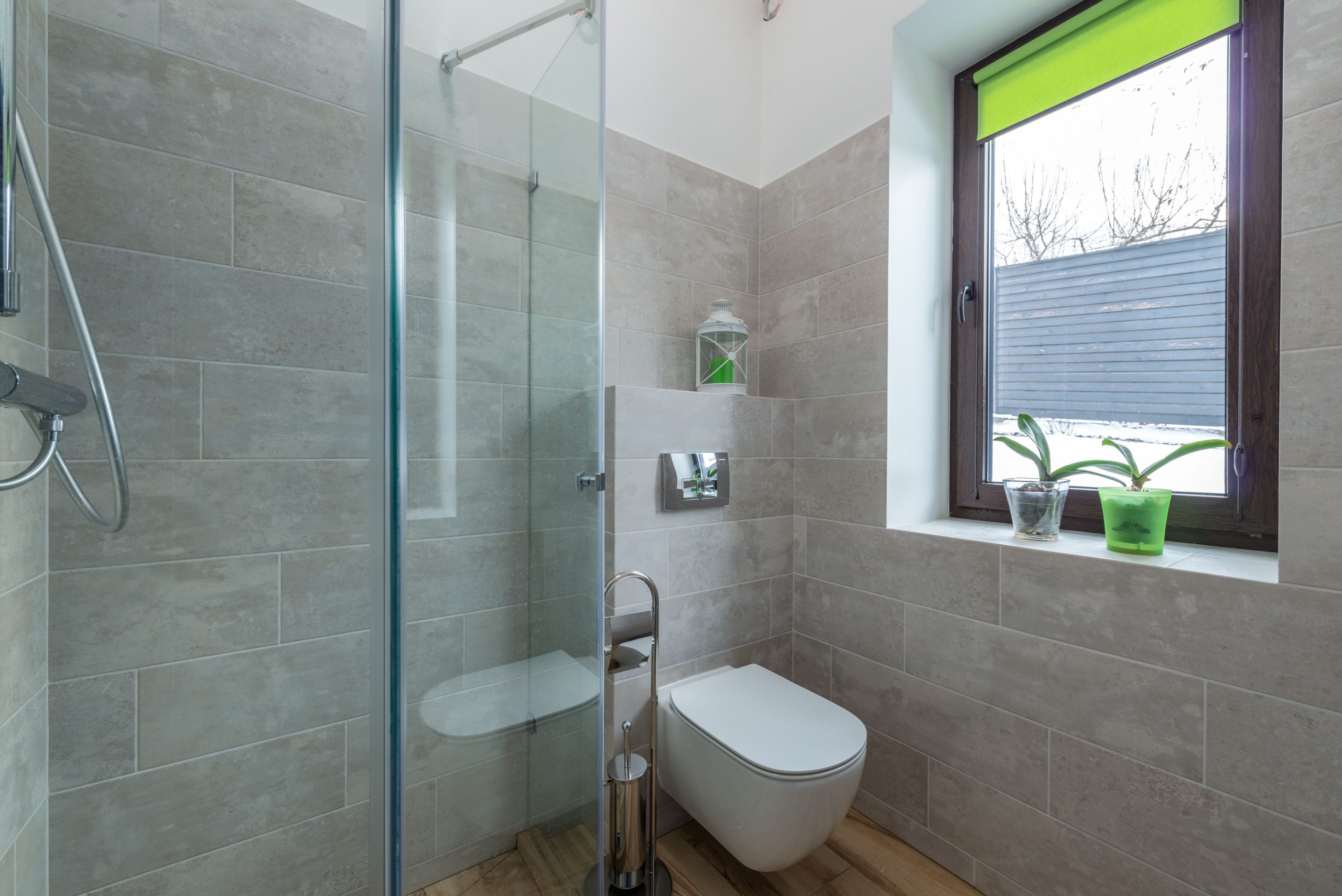
Shared bathrooms often need to serve several people within the same narrow period of time. One person may be brushing their teeth while another needs the shower, mirror, storage, or toilet. Thoughtful bathroom design can reduce conflicts by giving private activities appropriate separation while allowing compatible routines to happen without forcing everyone to wait for the entire room.
Privacy involves more than installing a lock on the main door. Sightlines, fixture positions, vanity arrangements, internal doors, storage locations, and changing areas influence how comfortable people feel sharing the space. These relationships become especially important in family bathrooms, primary suites, and bathrooms used regularly by guests.
The right arrangement depends on who uses the room and which activities commonly overlap. Plan Perfect Remodeling can help homeowners examine those routines while considering practical layout possibilities. Planning around actual household behavior creates privacy where it matters without unnecessarily dividing every part of the bathroom.
A primary bathroom shared by two adults has different requirements from a bathroom used by siblings, children, or overnight guests. Before choosing a layout, homeowners should identify who regularly uses the space and when their schedules overlap.
Morning routines usually reveal the greatest pressure points. Several people may need mirrors, sinks, toiletries, or other fixtures within the same twenty-minute period.
Evening routines can create different demands involving bathing, changing, and personal care. Understanding both periods helps homeowners identify which activities require separation and which can comfortably happen together.
Toilet placement has a significant effect on perceived privacy. A fixture positioned directly in view of the entrance may make users uncomfortable, particularly when another household member needs access to the vanity.
Where the room allows, positioning the toilet away from immediate sightlines can create greater visual separation. Layout features may provide screening without making the room feel fragmented.
The appropriate solution depends on available dimensions and other project requirements. Privacy should be considered alongside comfortable access rather than treated as an isolated objective.
Some shared bathrooms benefit from separating the toilet area from the rest of the room. This arrangement can allow another person to use the sink or vanity while the enclosed area remains occupied.
Adding an internal enclosure consumes space and introduces another door. The result should provide useful privacy without creating a cramped compartment or interfering with nearby fixtures.
Homeowners should evaluate whether the separation solves a recurring household problem. In a bathroom rarely used by multiple people simultaneously, another enclosure may add complexity without delivering much practical value.
The vanity frequently becomes the busiest shared area because grooming routines can last longer than expected. Toothbrushes, cosmetics, hair tools, skin-care products, and personal belongings may all compete for counter and storage space.
Bathroom design should consider whether multiple users genuinely need simultaneous access. Two sink positions may be useful for some households, while others may prefer one sink with more counter area and organized storage.
Plan Perfect Remodeling can help evaluate these priorities within the available room dimensions. The best arrangement supports actual routines rather than assuming that every shared bathroom requires the same features.
Shared storage can create daily frustration when several people’s belongings are mixed together. Residents may move one another’s toiletries simply to reach the products they need.
Assigning drawers, shelves, or cabinet sections to individual users creates simple boundaries. Personal storage can also reduce the amount of clutter left on shared countertops.
Not every item needs separate storage. Towels, paper products, and other common supplies can remain in shared areas while personal grooming items receive more clearly defined locations.
Bathrooms often function as changing spaces, particularly in busy households or primary suites. A layout that works well for bathing may still leave someone feeling exposed while dressing.
Consider what can be seen from the entrance, adjoining bedroom, or other frequently occupied area when the bathroom door opens. Strategic fixture placement or another suitable layout feature may improve privacy without requiring a completely separate dressing room.
Hooks and accessible storage can support the same goal. Clothing and robes are easier to manage when users do not need to cross the room repeatedly while changing.
Mirrors support shaving, hair styling, makeup, dental care, and other routines. One narrow mirror can make simultaneous use uncomfortable even when the vanity itself provides adequate space.
A wider mirror or thoughtfully arranged separate mirrors may support multiple users, depending on the room. The important consideration is whether people can stand comfortably without constantly shifting around one another.
Storage placement matters here as well. Users should be able to retrieve common grooming items without repeatedly reaching across someone occupying the mirror.
Doors create privacy, but they also consume space and influence circulation. An inward-swinging door may interfere with a vanity, storage area, or someone already using the room.
Homeowners should examine door movement in realistic occupied conditions. A layout that appears spacious with every door closed may behave very differently once several people begin moving through it.
Plan Perfect Remodeling can consider door relationships alongside fixtures and circulation during planning. Checking these interactions early helps prevent privacy features from creating new functional obstacles.
A bathroom used by visitors needs a slightly different kind of privacy. Guests may feel more comfortable when personal household products are not spread across every surface and essential items are easy to locate.
Closed storage can keep private belongings out of sight while leaving appropriate supplies accessible. A clearly visible hand towel and uncluttered sink area can also make the room easier for visitors to understand.
Consider what guests see when they enter. Thoughtful organization can provide privacy for household members while creating a more comfortable experience for visitors.
As children grow, their expectations around privacy often change. A bathroom that worked comfortably for young siblings may create tension when those children become teenagers with longer and more individual routines.
Storage boundaries, changing privacy, mirror access, and fixture availability may become increasingly important. Homeowners planning for long-term use can consider how current family routines are likely to evolve.
Flexible solutions are particularly useful. Storage and organization that can be reassigned later may adapt more easily than highly specific arrangements built around one age group.
Privacy planning does not mean adding walls, screens, or doors wherever space allows. Too much separation can make a bathroom feel confined and reduce its flexibility.
Each division should solve an identifiable problem, such as shielding a toilet, supporting simultaneous use, or creating a more comfortable changing area. If a feature does not improve a real routine, its footprint may be better used elsewhere.
Good planning balances openness with selective separation. Privacy becomes strongest when it appears exactly where household members need it.
A shared bathroom works well when people can complete compatible activities without sacrificing personal comfort. Toilet placement, vanity access, mirrors, storage, doors, and changing areas all influence whether several users can navigate the room successfully.
Effective bathroom design begins with understanding who shares the space and which routines regularly overlap. Privacy solutions can then address specific conflicts instead of dividing the room according to assumptions about how a bathroom should function.
The result should feel natural during ordinary use. When personal activities receive appropriate separation and shared features remain conveniently accessible, the bathroom can support couples, families, teenagers, and guests while giving each person a greater sense of comfort and personal space.
